How to Implement a Wireless Street Light Control System for Smart Cities?
In the quest for smarter cities, the "Wireless Street Light Control System" stands out. This innovative system not only enhances urban lighting but also improves energy efficiency. Expert John Anderson, a leader in smart city technology, remarked, “A well-implemented control system can reduce energy costs by up to 30%.”
Cities across the globe are now exploring this technology. The demand for a wireless solution grows. Many municipalities seek to optimize their operations through remote management. Implementing such systems requires careful planning and consideration. Challenges may arise during integration with existing infrastructure.
Moreover, monitoring performance and addressing connectivity issues can be complex. Each city's needs vary significantly. Some areas may struggle with adequate coverage. When developing a Wireless Street Light Control System, these factors are critical. A thoughtful approach is essential to maximize potential benefits and minimize pitfalls.
Understanding the Concept of Wireless Street Light Control Systems
Wireless street light control systems are essential for smart cities. These systems enable remote management of street lights, leading to increased efficiency. A recent industry report indicates that implementing these systems can reduce energy consumption by up to 50%. This significant saving translates to lower operational costs for municipalities.
To understand this concept, we must consider how these systems work. Wireless networks connect street lights to a centralized control unit. Sensors detect ambient light and adjust brightness levels accordingly. This responsiveness not only saves energy but enhances safety. Statistics show that well-lit streets can reduce accidents by about 30%. However, challenges such as installation costs and technical complexities remain.
Here are some tips for successful implementation:
1. Evaluate the existing infrastructure. Some areas may require upgrades.
2. Work with local authorities to ensure compatibility with city plans.
3. Train maintenance staff to handle new technology effectively.
Proper planning and execution can lead to a more efficient street lighting system. It's crucial to address potential hurdles and adapt solutions as needed. By doing so, cities can pave the way for smarter, safer environments.
Key Components of a Wireless Street Light Control System
Wireless street light control systems are becoming essential for smart cities. These systems use IoT technology to manage street lighting more efficiently. Key components include sensors, communication networks, and management software. Sensors detect ambient light levels and pedestrian presence, allowing lights to adjust automatically. Reports suggest that cities can save up to 70% on energy costs by adopting these systems.
Another vital aspect is the communication network. Low-power wide-area networks (LPWAN) are often used. They provide long-range coverage while consuming minimal energy. This wireless connectivity is crucial for real-time data transmission. However, cities often face challenges in integrating existing infrastructure with new technology, which can lead to increased costs and delays.
Tips: Focus on scalability. Ensure your system can adapt as your city grows. Also, invest in training for operators. They need to understand the technology fully to maximize its benefits. Finally, remember that public feedback is critical. Engage with residents about their needs and concerns to improve the system continuously.
How to Implement a Wireless Street Light Control System for Smart Cities? - Key Components of a Wireless Street Light Control System
| Component |
Description |
Function |
Benefits |
| Smart Controllers |
Devices that manage the operation of street lights based on conditions. |
Regulate brightness and operational times. |
Energy savings and reduced light pollution. |
| Communication Network |
Wireless connectivity enabling data exchange between components. |
Remote monitoring and control of street lights. |
Improved response to maintenance needs. |
| Sensors |
Devices that detect ambient light levels and movement. |
Automate light adjustments based on real-time conditions. |
Enhanced safety and user satisfaction. |
| Power Supply |
Source of electricity, often integrated with renewable options. |
Ensure uninterrupted operation of lights. |
Lower carbon footprint and operational costs. |
| Management Software |
Platform for controlling and analyzing street lighting systems. |
Data analytics for maintenance and optimization. |
Informed decision-making and strategic planning. |
Steps to Design and Plan Implementation for Smart Cities
Designing a wireless street light control system begins with understanding the city's specific needs. Smart cities can reduce energy costs by 30% with effective streetlight management, as reported by the International Energy Agency. Consider the area coverage and light requirements. Local regulations may dictate illumination levels. Balancing efficiency and compliance is key.
Next, assess the technology options available. Many cities have found success using IoT connectivity. This enables real-time monitoring and adjustments. However, reliability can be an issue. Some systems may experience connectivity failures. It's crucial to choose robust solutions that ensure consistent performance. Gathering feedback from initial deploys can reveal system weaknesses.
Budgeting for initial setup and ongoing maintenance is essential. A McKinsey report estimates that smart city projects can experience up to 20% cost overruns. Including reserve funds can help address unexpected costs. Engage with stakeholders early to identify their concerns. Failing to do so can lead to community pushback. The path to a successful implementation lies in thorough planning and flexibility.
Wireless Street Light Control System Data Analysis
This chart illustrates the estimated energy savings and reduction in carbon emissions from implementing a wireless street light control system in smart cities. The data is based on average city statistics for street lighting management.
Integration of IoT Technologies in Street Light Control
The integration of IoT technologies into street light control systems can significantly enhance urban management. These smart systems allow for remote monitoring and control of street lights. Sensors can gather real-time data, such as traffic flow or weather conditions. This data helps adjust lighting levels based on actual needs. For example, lights can dim when no traffic is detected, saving energy.
Moreover, using IoT can create a more responsive infrastructure. A connected system may identify malfunctioning lights and report them instantly. However, challenges remain. Not all areas have reliable internet access. Moreover, security concerns regarding data transmission could arise. How can cities ensure the data collected is safe?
Finally, the implementation should consider user-friendly designs. City workers or residents should navigate the systems easily. Interfaces may be complex, leading to confusion. Testing plans in small areas could provide valuable feedback. A phased rollout can highlight the flaws to refine the technology. With careful planning, smart street lights can illuminate our cities efficiently.
Benefits and Challenges of Wireless Street Light Systems in Urban Areas
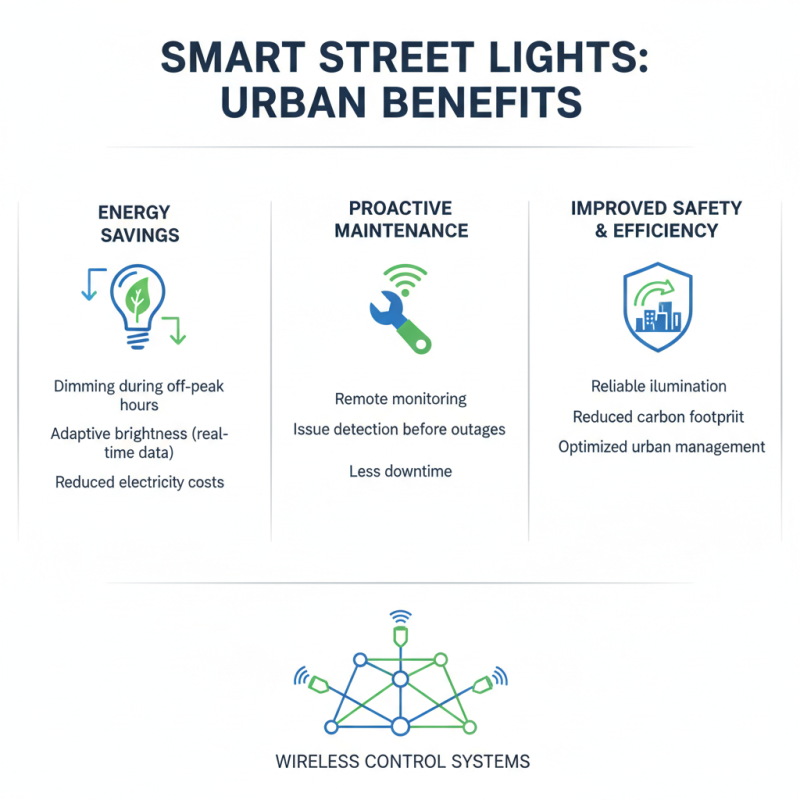
Wireless street light control systems offer various benefits for urban areas. These systems allow cities to save energy by dimming lights during low-traffic hours. The smart technology can adjust brightness based on real-time data, contributing to reduced electricity costs. Furthermore, with remote monitoring, maintenance becomes proactive rather than reactive. Instead of waiting for an outage report, city officials can address issues before they affect citizens.
However, there are challenges to implementing this technology. Installation costs can be high, and not all cities have the budget for it. Connectivity issues might arise, especially in areas with weak signals. Moreover, the dependence on technology means that cybersecurity threats could disrupt services. Urban planners must consider these factors carefully. They must weigh immediate benefits against long-term maintenance needs. Designing a system that is robust yet adaptable can be a complex task. Without thorough planning, these projects might not meet their intended goals.