10 Essential Tips for Effective Lighting Management Systems
Effective Lighting Management Systems play a crucial role in modern environments. They enhance comfort and energy efficiency. Yet, many users overlook their full potential. Understanding how to optimize these systems can yield significant benefits.
Lighting Management Systems can be complex. They involve various technologies and strategies. Improper setup may lead to issues, such as wastage of resources. It is essential to simplify these systems where possible. Failing to do so often results in frustration.
By focusing on key strategies, users can improve performance. Simple adjustments can make a huge difference, especially in workplaces and homes. Embracing flexibility in control options is also vital. Often, users can find themselves stuck in rigid setups that don't cater to their needs. A willingness to reflect on current practices can unlock new opportunities.
Understanding the Importance of Lighting Management Systems
Effective lighting management systems play a crucial role in various environments. They enhance productivity, reduce energy consumption, and create a pleasant ambiance. When implemented correctly, they can significantly improve the quality of life for users. A well-designed system considers natural light, user preferences, and task requirements. It balances energy efficiency with light quality.
Understanding these systems is vital for both businesses and homeowners. Many people overlook the impact of lighting on mood and performance. A dim room can lead to sluggishness, while bright, well-placed lights can boost energy. It’s essential to evaluate and adjust lighting based on specific needs. However, it’s easy to ignore the subtle changes needed over time.
Not everyone understands the technical aspects of lighting management. Some might underestimate the benefits, leading to poor choices. Regular assessments and updates are necessary. Innovative approaches, such as smarter control systems, can foster adaptability. This helps maintain a harmonious environment. Embracing these changes requires open-mindedness and a willingness to experiment.
Key Components of an Effective Lighting Management System
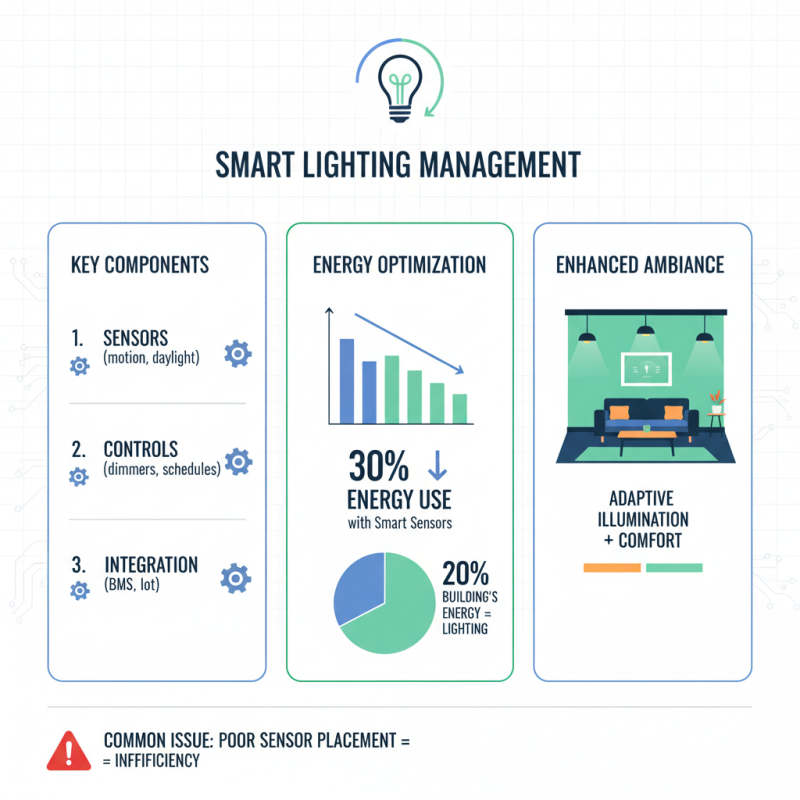
An effective lighting management system (LMS) is vital for optimizing energy use and enhancing ambiance. Key components of a successful LMS include sensors, controls, and integration capabilities. Studies show that implementing smart sensors can reduce energy consumption by up to 30%. This reduction is significant, considering that lighting accounts for about 20% of a building's energy usage. However, many systems still lack appropriate sensor placements, leading to inefficiencies.
The control systems play a fundamental role in managing lighting effectively. They can be programmable or adaptive, adjusting according to real-time needs. Data revealed that facilities with advanced controls could save an average of 15% on their lighting costs annually. Yet, many organizations struggle with integration across different technologies. This lack of coherence can hinder the full potential of the LMS. It’s crucial to assess how well various components work together.
Finally, user engagement is often overlooked. Training staff on how to utilize lighting controls can significantly enhance the system's efficiency. A study highlighted that user awareness can boost energy savings by 10-20%. However, it’s common for users to be unsure of how to operate these systems. This gap in knowledge suggests a need for ongoing education and communication to maximize the benefits of an LMS.
Strategies for Optimizing Energy Efficiency in Lighting Management
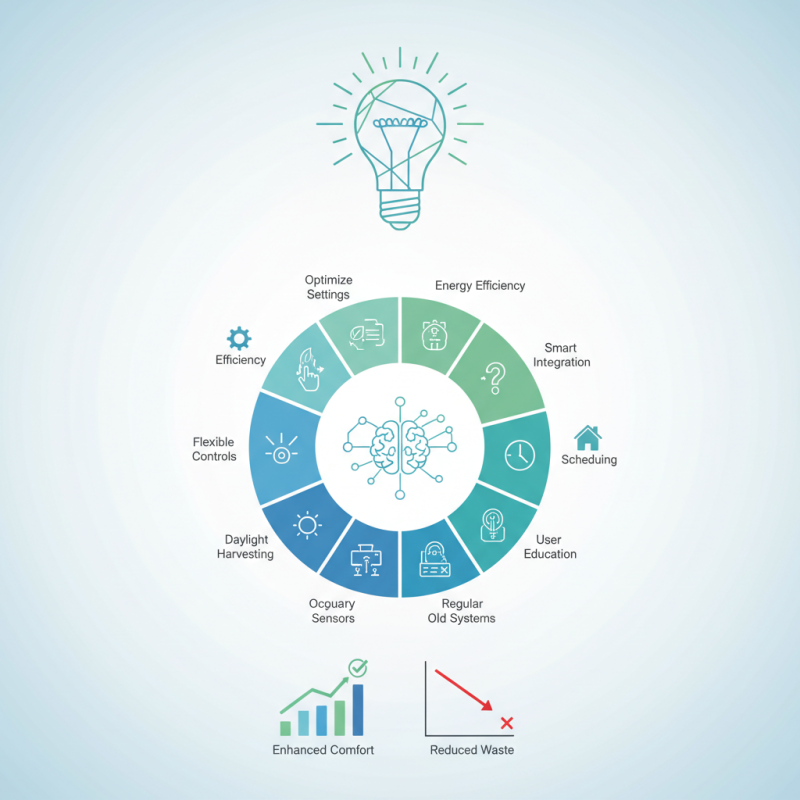
Effective lighting management systems are vital for optimizing energy efficiency. Start by analyzing current energy consumption patterns. Many facilities waste energy due to outdated systems or poor management practices. A detailed audit can reveal where significant savings lie. This could mean adjusting light levels or implementing timers. Sometimes, just turning off lights in areas with no activity can make a huge difference.
Smart controls are another essential aspect. Using motion sensors can automatically adjust lighting based on occupancy. This technology reduces both energy waste and operational costs. However, improper installation or sensitivity settings can lead to frustration. Regular reviews and user feedback help fine-tune these systems.
Investing in quality lighting fixtures also pays off. LED lights, for example, consume far less energy than traditional bulbs. Yet, some organizations overlook this when budgeting. Balancing initial costs with long-term savings can be challenging. Regular training for staff on efficient lighting practices is crucial. Often, even the best systems require human oversight to maximize their potential.
Integrating Smart Technology in Lighting Management Solutions
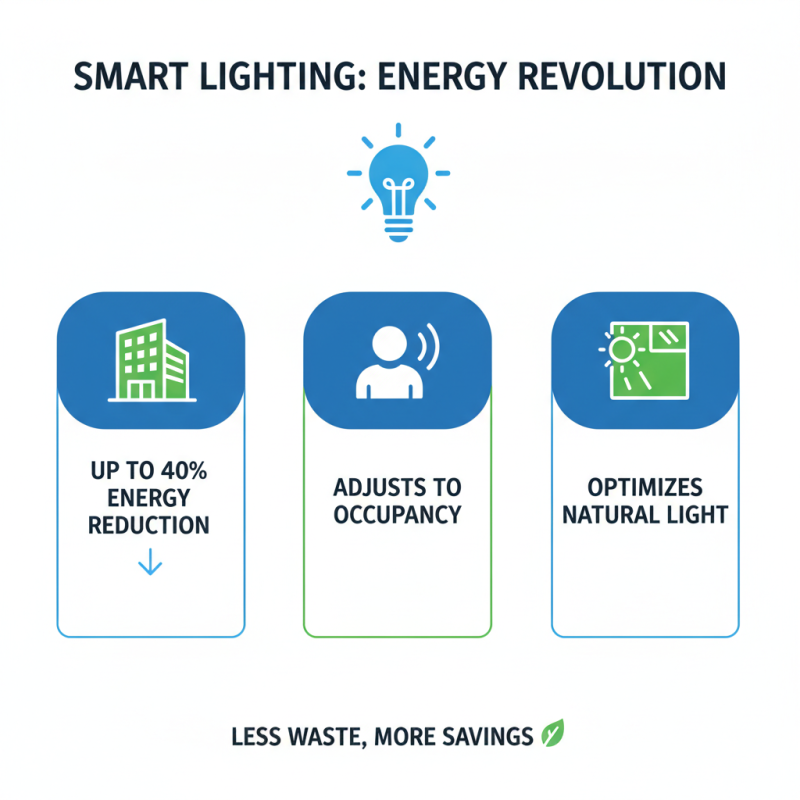
Integrating smart technology into lighting management solutions revolutionizes how we handle energy consumption. According to a recent industry report, buildings equipped with advanced lighting control systems can reduce energy usage by up to 40%. These systems adjust brightness based on occupancy and natural light. This means less energy wasted.
However, implementing such technology isn't without challenges. Many facilities struggle with outdated infrastructure that isn't compatible with modern smart systems. Transitioning from old to new can involve hidden costs. Proper training for staff is often overlooked, leading to underutilization of new features. Reports indicate that only about 30% of organizations fully harness the potential of their smart lighting technologies.
Data-driven decision-making enhances lighting management efficiency. Sensors collect valuable information, revealing usage patterns. Yet, many users find data interpretation daunting. Without proper analytics tools, teams may miss critical insights. In fact, a survey found that 65% of businesses faced difficulties understanding their lighting data. Embracing smart technologies requires ongoing learning and readiness to adapt.
Best Practices for Maintenance and Upkeep of Lighting Systems
Proper maintenance and upkeep of lighting systems is crucial. Regular checks can prevent costly repairs. Ensure that all bulbs are functional. Dim or flickering lights may indicate deeper issues. Schedule routine inspections to identify problems early.
Cleaning fixtures helps maintain brightness. Dust and grime can obstruct light. Use a soft cloth and suitable cleaning solution. Pay attention to outdoor fixtures too. Weather elements can degrade performance. Inspect connections and wiring regularly to avoid hazards.
Optimizing settings can improve efficiency. Adjust dimmers according to needs. Utilize timers to prevent lights from remaining on unnecessarily. Engaging in periodic training for staff is beneficial. They should understand the system's functionality. Reflection on past issues can guide future improvements. Regular feedback is also invaluable for growth.