10 Essential Lighting and Design Tips for Transforming Your Space?
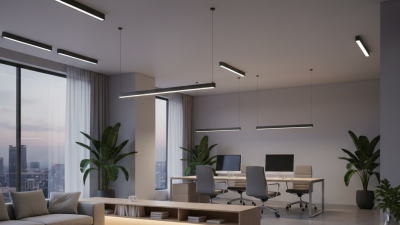
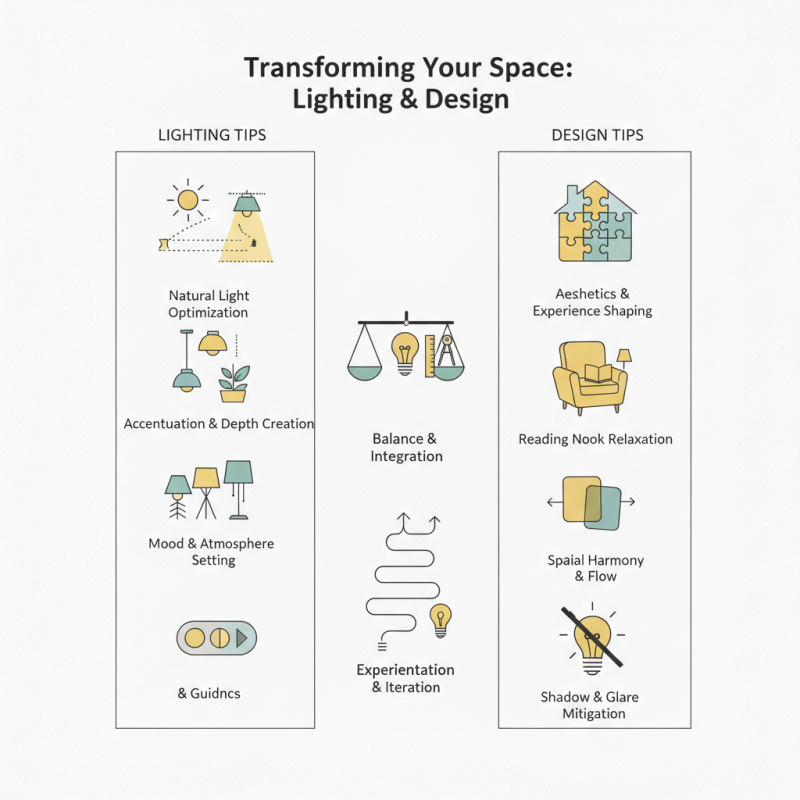
Transforming a space involves careful consideration of Lighting and Design. The right lighting can alter the mood of any room, enhancing its character and comfort. Well-placed fixtures can highlight important features, creating depth and texture. Consider how natural light interacts with your design elements throughout the day.
Design is not merely about aesthetics; it shapes experiences. Thoughtful lighting can create zones within a space, guiding movement and attention. For instance, a well-lit reading nook can invite relaxation. Conversely, poor lighting can detract from your space, leaving it feeling flat or uninviting. Sometimes, the wrong choice can lead to harsh shadows or glaring lights.
Embracing both Lighting and Design requires a balance. Choosing the correct fixtures may take trial and error. It's important to reflect on how each decision impacts your environment. Allow yourself to make mistakes and learn from them. The journey of transformation is ongoing; improvement comes through experimentation and reflection.
Understanding Different Types of Lighting for Interior Spaces
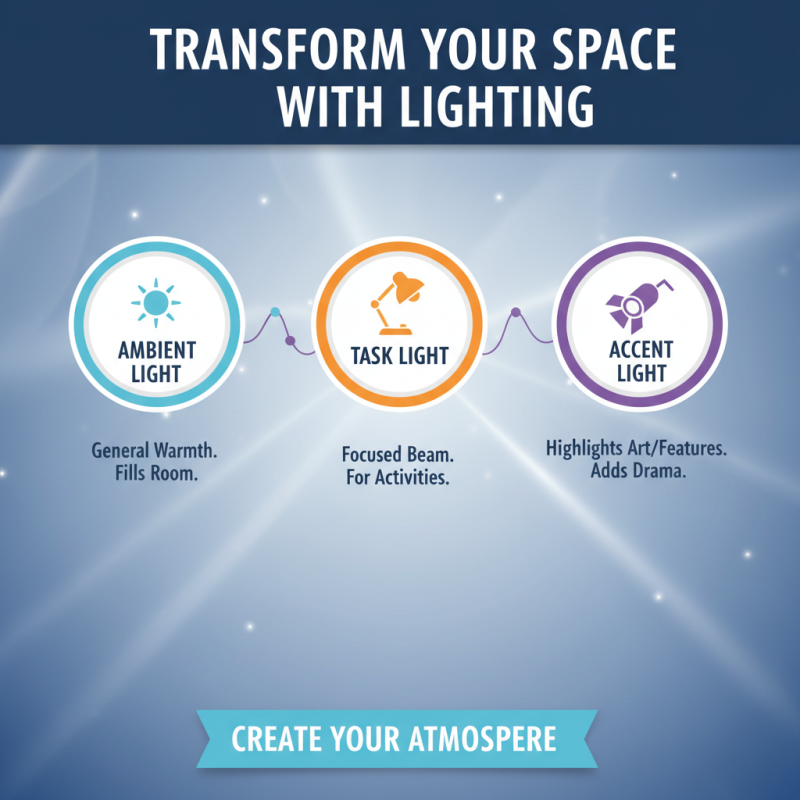
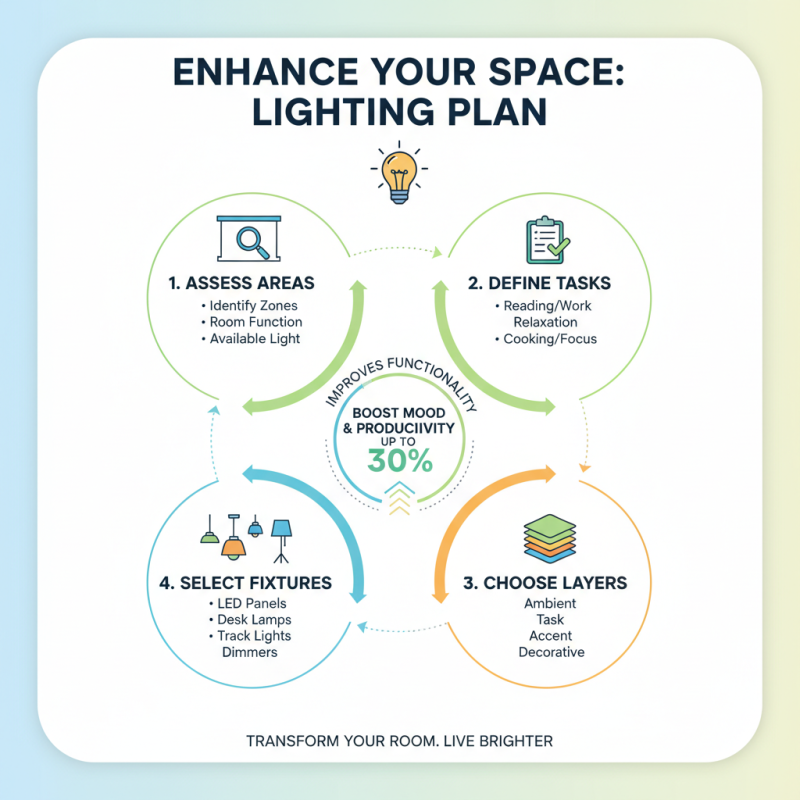
Lighting plays a crucial role in transforming any interior space. Understanding various types of lighting helps create a welcoming atmosphere. Ambient, task, and accent lighting are essential categories to consider. Each type serves a unique purpose, enhancing the overall design.
Ambient lighting provides general illumination. It fills the room with light, ensuring no dark corners remain. Use ceiling fixtures and lamps here. Task lighting focuses on specific areas for activities like reading or writing. Table lamps and under-cabinet lights work well.
Consider the balance of these types in your design. Layering lighting creates depth. For example, a bright overhead light paired with softer task lighting can enhance functionality. Don’t forget that color temperature matters too. Warmer bulbs create a cozy feel, while cooler ones offer focus. Reflect on how different lights make you feel in a space. This can reveal what you truly want to achieve with your design.
Choosing the Right Color Temperature for Your Lighting
Choosing the right color temperature for your lighting is crucial. It influences mood and functionality. Studies show that
warmer lights (2700K-3000K) foster relaxation.
Cooler tones (4000K-5000K) enhance focus. Understanding this can transform how a space feels.
Tip: Assess natural light in your room. North-facing spaces often need warmer tones. They lack direct sunlight, which can make them feel cold and unwelcoming. Use warm lighting to create a cozy atmosphere.
Research by the Lighting Research Center reveals that color temperature affects productivity. Cool white light is ideal for workspaces. It boosts alertness and improves concentration.
Balancing color temperatures throughout your home can enhance comfort. Spaces with mixed lighting can feel disjointed.
Experiment with different tones to find cohesion.
Tip: Test various bulbs in your space. Don't rush the process. Lighting impacts your daily experience significantly.
Trust your instincts and adjust as needed. Be open to change; it's part of the design journey.
Incorporating Layered Lighting for Depth and Ambience
Layered lighting is crucial for creating depth and ambience in any space. Employing three main types—ambient, task, and accent—ensures a balanced atmosphere. According to the American Lighting Association, 89% of homeowners say lighting affects their mood and productivity. This emphasizes the need for thoughtful lighting design.
Start with ambient lighting to illuminate the entire room. Soft, warm tones can create a cozy feel. Add task lighting where activities happen. For example, bright lights over kitchen counters or reading nooks are essential. Finally, accent lighting highlights specific areas, like artwork or architectural features. It draws the eye and adds personality.
However, be cautious not to overwhelm a space with too many light sources. An overly bright room can feel harsh and unwelcoming. Many homeowners struggle to find the right balance, leading to dissatisfaction. Adjusting light levels and experimenting with placement can take time. It’s important to continually reassess your lighting choices to create a space you enjoy. Keeping a critical eye on your design can make all the difference.
Utilizing Decorative Fixtures to Elevate Aesthetic Appeal
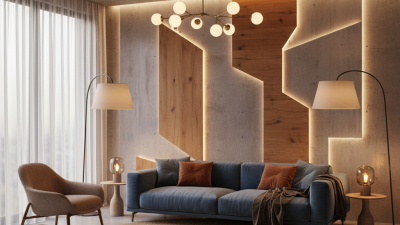
Decorative fixtures can dramatically alter the aesthetics of a space. They serve both functional and decorative purposes. The right lighting piece can illuminate your room while enhancing its style. Consider chandeliers or pendant lights as focal points.
They draw the eye and add character. A well-placed lamp can also create warmth in a corner, transforming a neglected area into a cozy nook.
Using varied lighting types adds depth. Wall sconces can highlight artwork or architecture. They create soft shadows and draw attention to specific features. Statement fixtures can become conversation starters. However, it's essential to balance them with ambient lighting. Overly bright fixtures can be overwhelming. Underlighting can make spaces feel flat.
Experimentation is key. Try different placements and intensities. It might not always work out on the first try. Reflection is vital for achieving the desired effect. Take the time to assess how each element interacts.