How to Choose the Right Nema Street Light Controller for Your Needs?
Choosing the right Nema Street Light Controller is essential for effective street lighting management. These controllers play a crucial role in ensuring proper illumination in urban areas. With the right controller, you enhance energy efficiency and extend the lifespan of your street lights.
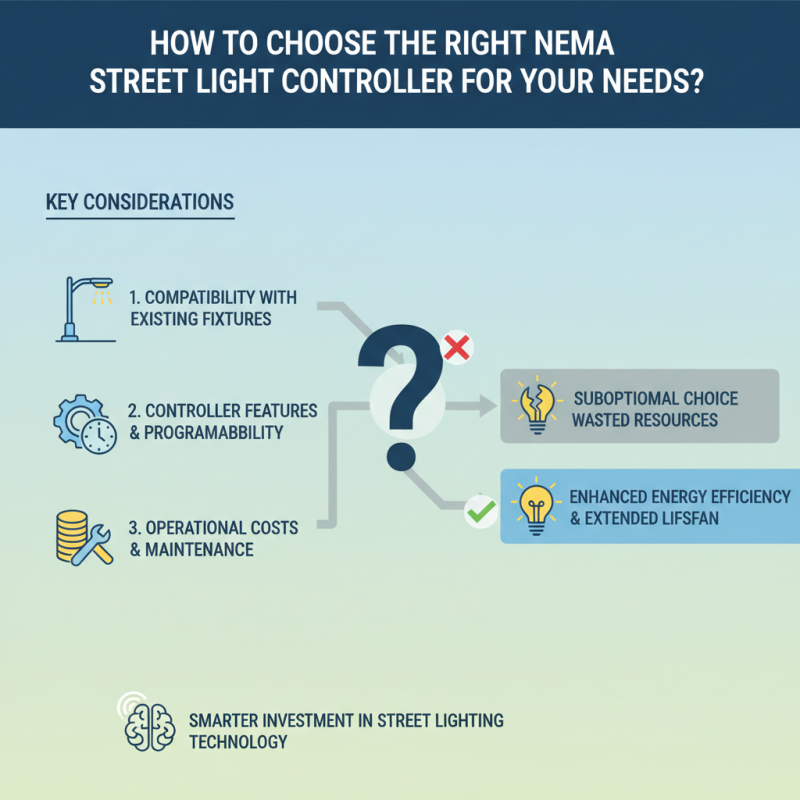
Many factors come into play when selecting a Nema Street Light Controller. Consider compatibility with existing fixtures. Also, evaluate the controller’s features and programmability. Some users struggle with understanding specifications, which can lead to suboptimal choices. The market is wide, and finding a fitting option may seem overwhelming.
Reflect on your specific needs before making a decision. Think about operational costs and maintenance requirements. Asking questions can lead to better choices. A hasty selection might result in insufficient functionality or wasted resources. Carefully weighing your options ensures a smarter investment in street lighting technology.
Understanding Nema Street Light Controllers and Their Functions
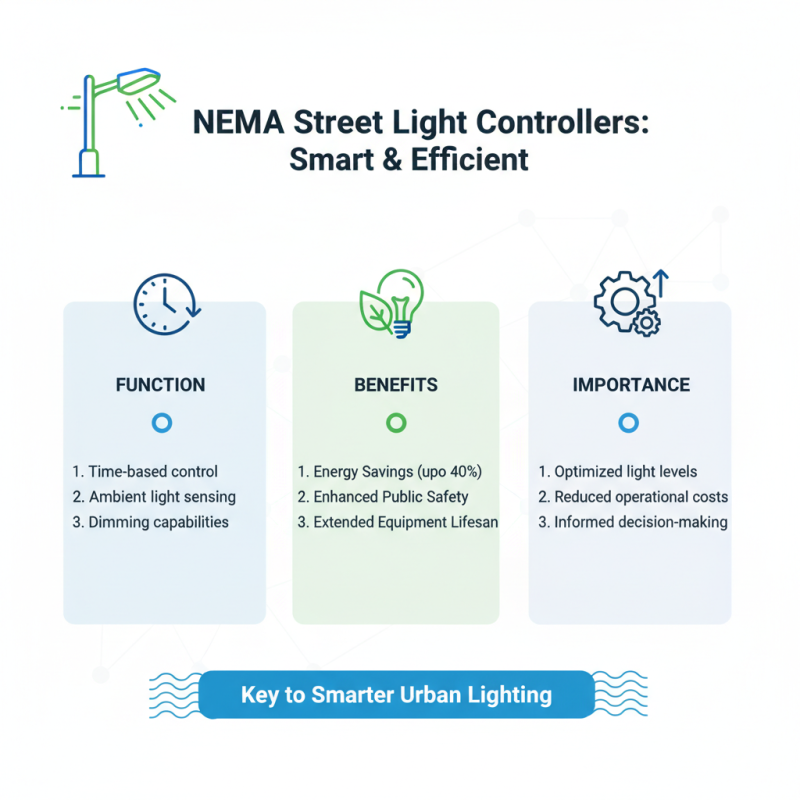
Nema street light controllers play a vital role in street lighting systems. They help manage light intensity based on the time of day or ambient light levels. These controllers can save energy and enhance safety. Understanding their functions is crucial for making the right choice.
These controllers come with various features. Some allow for dimming, while others provide remote monitoring. If you need basic functions, a simpler model might work. Advanced features might seem appealing, but they also add complexity. It's important to weigh the cost against the actual benefits.
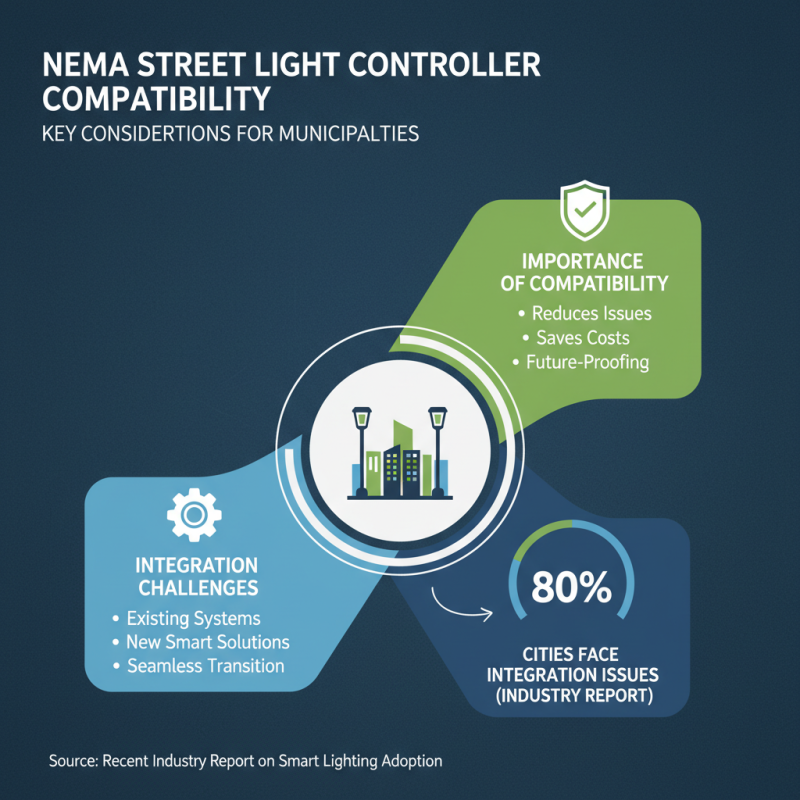
Installation can also pose challenges. Installing a controller incorrectly can lead to malfunctions. Look for user-friendly designs. Ensure you have the right support. Compatibility with existing systems is another factor to consider. If the new controller cannot integrate, it may lead to bigger issues down the line. Reflect on your unique needs before choosing.
Types of Nema Street Light Controllers Available on the Market
When selecting a Nema street light controller, understanding the available types is crucial. Nema controllers typically fall into three categories: standard controllers, advanced controllers, and smart controllers. Standard controllers offer basic functionalities, like on/off switching. They are often cost-effective but lack advanced features like dimming or remote control.
Advanced controllers provide more features, including dimming capability and programmable settings. According to a market analysis by the International Energy Agency, advanced controllers can reduce energy consumption by up to 30%. This substantial reduction makes them attractive to municipalities looking to lower costs.
Smart controllers take it a step further. They integrate with IoT technologies, allowing for real-time monitoring and data analysis. Reports indicate that smart lighting systems can enhance public safety by improving visibility in critical areas. However, the complexity of these systems may overwhelm local technicians. Balancing innovation with practicality is essential in this evolving field.
Key Features to Consider When Choosing a Nema Controller
When choosing a Nema street light controller, several key features can significantly impact your decision. An important aspect is compatibility with various lighting technologies. According to a recent market report, over 70% of municipalities are looking to upgrade their existing street lighting systems. They seek controllers that can seamlessly interface with LED, HID, and other technologies. Getting this right can lead to increased energy savings and improved light quality.
Another vital consideration is the controller's programmability. Flexibility in scheduling and dimming settings has become essential. Research indicates that smart controllers can reduce electricity consumption by as much as 30%. Many city planners prioritize controllers with advanced features that allow real-time monitoring. However, not all controllers offer user-friendly interfaces. This complexity can lead to operational frustrations.
Durability and weather resistance are crucial, too. Controllers must withstand harsh environmental conditions. Industry studies show that equipment failures due to environmental exposure can lead to significant maintenance costs. Understanding these factors is key. Assessing the long-term reliability of materials used is often overlooked. Balancing initial costs with long-term maintenance needs requires careful thought.
Assessing Your Specific Power and Control Needs
When selecting a Nema street light controller, assess your specific power and control needs carefully. Start by understanding your power requirements. Calculate the total wattage of the lights you plan to control. This will give you an idea of the necessary capacity of your controller. Consider how many lights you need to manage and their voltage ratings. The right controller should match these specifications.
There are various features to weigh as well. For instance, do you need dimming capabilities? Some environments require adjustable brightness for energy savings. Check if the controller supports this function. Also, think about the control methods. Can you operate it remotely? Wireless controls might offer convenience. However, they can complicate installation.
Tips: Ensure compatibility with your lighting fixtures. Mismatched components can lead to wasted resources. Always read the installation guidelines. Mistakes made during setup may lead to operational failures. Take your time to evaluate each option.