How to Choose the Right Zhaga Controller for Your Lighting Projects
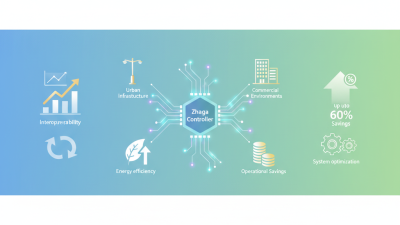
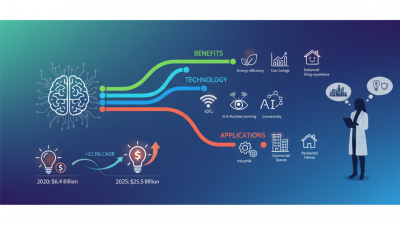
In recent years, the importance of selecting the appropriate Zhaga Controller for lighting projects has become increasingly evident, as the lighting industry transitions towards more intelligent and adaptable solutions. According to the latest report by the International Energy Agency (IEA), the global smart lighting market is expected to reach $60 billion by 2025, with Zhaga interfaces playing a crucial role in enabling interoperability among connected light fixtures. The integration of Zhaga Controllers in lighting installations can enhance energy efficiency and provide seamless user experiences.
Lighting industry expert Dr. Amelia Johnson, a senior researcher at the Lighting Research Center, emphasizes the significance of making informed choices when it comes to Zhaga Controllers: "Choosing the right Zhaga Controller can fundamentally transform how lighting systems communicate and function, optimizing both performance and sustainability." As projects demand more flexibility and adaptability, understanding the specifications and capabilities of various Zhaga Controllers is essential for meeting the unique needs of each lighting installation.
Furthermore, the rise of smart cities and advancements in IoT technologies highlight the need for robust lighting solutions that can adapt over time. Selecting the right Zhaga Controller not only ensures compatibility with existing systems but also lays the groundwork for future-proofing lighting infrastructure. As the lighting sector evolves, stakeholders must prioritize informed decision-making in their choice of Zhaga Controllers to achieve enhanced efficiency and user satisfaction.

Understanding Zhaga Standards and Their Importance in Lighting
Zhaga standards play a crucial role in the evolution of the lighting industry, particularly in facilitating interoperability among different lighting components. These standards, developed by the Zhaga Consortium, address the physical, electrical, and communication interfaces of light engines, which enables an array of manufacturers to provide components that can work seamlessly together. According to a recent report by the International Energy Agency, the adoption of Zhaga-compliant products has increased by over 40% in the last two years, indicating a significant shift towards standardized solutions that enhance energy efficiency and reduce costs in both manufacturing and installation.
Understanding these standards is vital for lighting professionals looking to optimize their projects. The implementation of Zhaga standards ensures that lighting systems are not only scalable but also future-proof. With the rapid advancement of LED technologies and smart lighting, adhering to Zhaga specifications allows for easy upgrades and integration of new features without requiring a complete redesign. A comprehensive analysis by the Lighting Research Center highlights that projects utilizing Zhaga controllers have reported up to a 30% reduction in installation times due to the ease of component compatibility and streamlined communications across devices, ultimately leading to enhanced project timelines and budgets.
Types of Zhaga Controllers Available for Different Applications
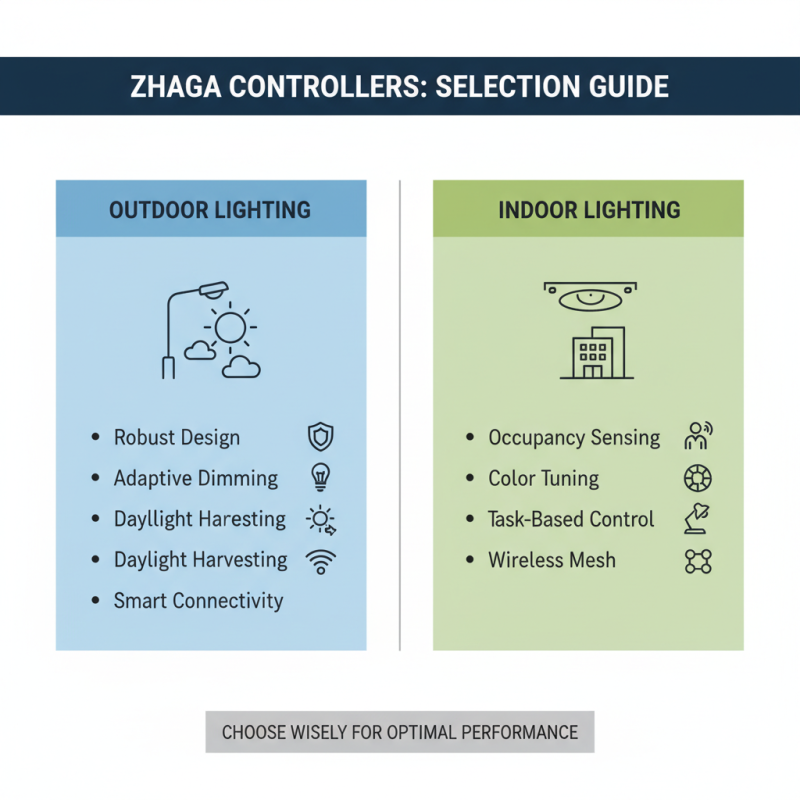
When selecting a Zhaga controller for your lighting projects, it's essential to understand the various types available, as each is designed for specific applications. For instance, there are controllers tailored for outdoor lighting, providing robust functionality to withstand environmental challenges. These outdoor controllers often include features such as adaptive dimming, daylight harvesting, and smart connectivity options to enhance energy efficiency and user experience.
On the other hand, indoor lighting applications may benefit from controllers that prioritize integration with building management systems (BMS). These controllers can facilitate seamless communication between different lighting fixtures and the overall infrastructure, allowing for sophisticated energy management strategies and personalized lighting experiences. Furthermore, specialized controllers are available for unique scenarios, such as emergency lighting or decorative installations, ensuring that the controller matches the specific demands of the project. Understanding these distinctions will enable you to choose the right Zhaga controller that aligns with your project's requirements and objectives.
Key Features to Consider When Selecting a Zhaga Controller
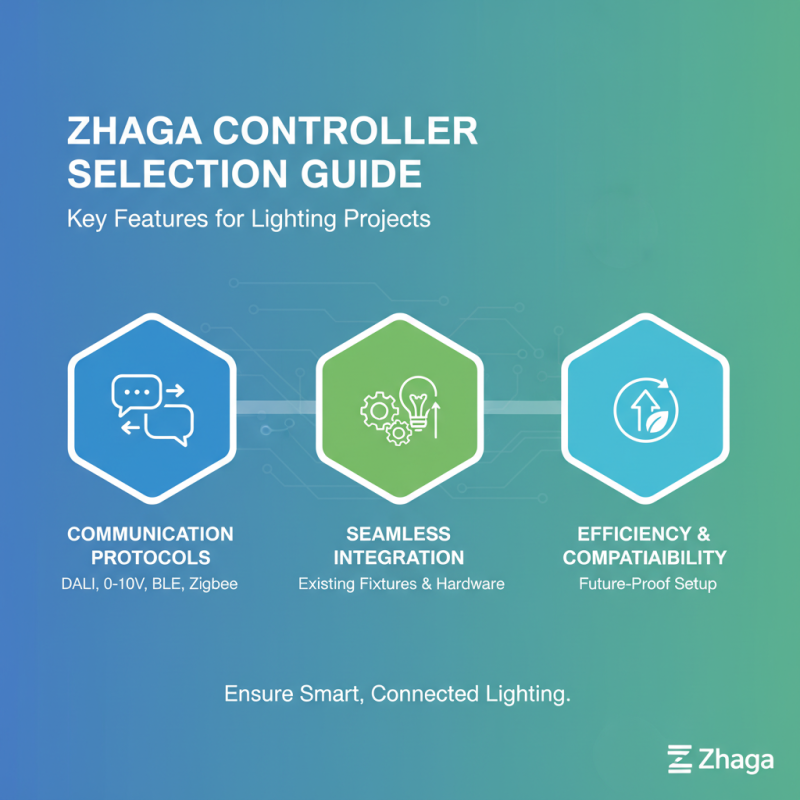
When selecting a Zhaga controller for your lighting projects, several key features should be carefully evaluated to ensure compatibility and efficiency. One of the primary considerations is the controller's communication protocols. Zhaga offers a range of options that support various standards, enabling seamless integration with existing lighting systems. Ensure that the controller you choose can communicate effectively with your fixtures and any other control hardware in the setup.
Another critical feature to assess is the controller’s scalability and flexibility. Look for options that can easily adapt to future upgrades or expansions within your lighting network. This adaptability allows you to modify your system without significant overhauls or replacements, saving both time and costs in the long run. Furthermore, examine the energy management capabilities of the controller. Efficient energy usage not only reduces operational costs but also supports sustainability goals, making it an essential aspect of any lighting project.
Lastly, consider the ease of installation and user interface of the Zhaga controller. A straightforward setup process can save valuable time during installation, while an intuitive interface can enhance user experience, allowing for easier adjustments and monitoring of the lighting system. By prioritizing these features, you can select a Zhaga controller that not only meets your current needs but also supports the longevity and adaptability of your lighting projects.
Evaluating Compatibility with Existing Lighting Systems
When selecting a Zhaga controller for your lighting projects, one crucial aspect to consider is its compatibility with existing lighting systems. The Zhaga Consortium, which focuses on standardized interfaces for LED lighting, offers specifications that help ensure new controllers seamlessly integrate with various fixtures. According to a recent report by Allied Market Research, the global smart lighting market is projected to reach $75.3 billion by 2027. With this rapid growth, ensuring compatibility is essential to maximize investment and extend the lifecycle of existing systems.
To evaluate compatibility, start by reviewing the specifications of your current lighting systems and compare them with the Zhaga controller options. Pay attention to factors such as the input voltage, power capacity, and communication protocols. A comprehensive compatibility evaluation will not only minimize operational hiccups but also boost energy efficiency. The Lighting Research Center found that optimized controller selection can lead to energy savings of up to 30%, contributing to a more sustainable lighting configuration.
Tips: Always consult the Zhaga Book of Standards relevant to your project to avoid compatibility issues. Additionally, engage with manufacturers or lighting professionals who are familiar with Zhaga specifications to gather insights that can assist in your decision-making process. This proactive approach will save time and resources in the long run.
Tips for Integrating Zhaga Controllers into Your Lighting Projects
Integrating Zhaga controllers into your lighting projects can significantly enhance functionality and efficiency. To start, it’s essential to assess the specific requirements of your project, such as the type of light fixtures, control needs, and environmental conditions. Understanding the compatibility of the Zhaga controller with your existing infrastructure will ensure seamless integration. It’s advisable to consult the Zhaga specifications to verify dimensional standards and electrical interfaces, making sure they align with your lighting systems.
Another critical consideration is the programming and communication protocols. Different projects may require varied control schemes, so selecting a Zhaga controller that supports your chosen protocol—like DALI or 0-10V—can streamline your setup. Additionally, be mindful of future-proofing your installation. Opt for controllers that offer upgradable firmware or compatibility with emerging technologies, ensuring that your lighting system remains innovative and adaptable to changing demands. Properly planning the installation process and following best practices will help you achieve optimal performance and longevity of your lighting system.
How to Choose the Right Zhaga Controller for Your Lighting Projects
| Feature |
Description |
Considerations |
| Compatibility |
Ensure the controller supports the specific Zhaga Book standard for your fixtures. |
Check the fixture manufacturer's specifications. |
| Control Options |
Look for dimming capabilities, color control, and integration with smart systems. |
Consider future-proofing for upgrades to smart technologies. |
| Power Rating |
Check the input and output voltage ratings and wattage limits. |
Ensure your lighting setup falls within the controller's specifications. |
| Temperature Range |
Understand the operating temperature range for your project environment. |
Evaluate whether the installation location may exceed these temperatures. |
| Dimensions |
Consider the physical size of the controller and its fit within your fixture. |
Ensure there is sufficient space for cooling and access. |
| Certification |
Verify that the controller meets local electrical and safety standards. |
Look for UL, CE, or other relevant marks. |