How to Choose the Best Smart Led Garden Light for Your Home?
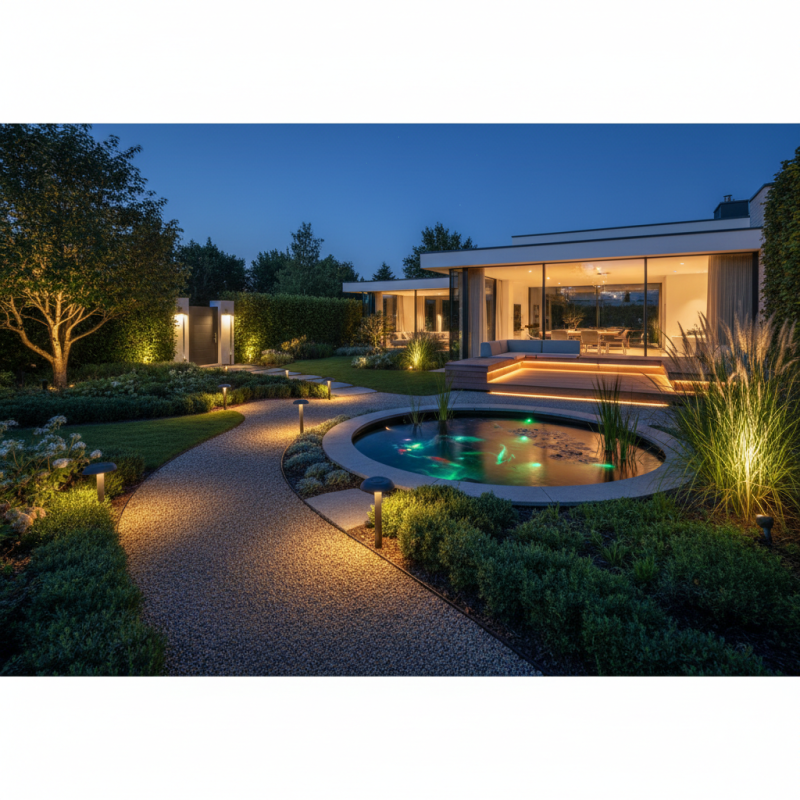
Choosing the right Smart Led Garden Light for your home can be overwhelming. With so many options available, how do you know which one suits your needs? These lights offer beauty and functionality to any garden space. They provide excellent illumination while highlighting your landscaping features.
Think about the size of your garden and the areas you want to light up. Consider the brightness and color temperature as well. Not all Smart Led Garden Lights are created equal. Some may lack the features you desire. For example, check if they can change colors or connect to your smart home system.
One must reflect on energy efficiency too. Many Smart Led Garden Lights save energy, but some do not. Finding the perfect balance between style and functionality is essential. Don’t rush the decision; a little patience can lead you to the best choice.
Factors to Consider When Choosing Smart LED Garden Lights
Choosing the right smart LED garden light can be overwhelming. Many options are available, and not all fit every garden style. Start by considering the brightness. How much light do you need? Look for lumens ratings. More lumens mean brighter lights. Evaluate how the lights will enhance your garden features.
Next, consider connectivity options. Some lights connect to Wi-Fi, while others use Bluetooth. Make sure your choice fits your home setup. Think about control methods too. Do you want to use an app or voice commands? Each option has its conveniences and limitations.
Durability is another essential factor. Outdoor lights face weather challenges. Check the IP rating for water and dust resistance. Not all materials hold up well over time. Explore designs that complement your garden aesthetics, but remember, not every choice will blend perfectly. Consider energy efficiency as well; it affects your long-term costs.
How to Choose the Best Smart Led Garden Light for Your Home?
| Feature |
Description |
Recommended Options |
| Brightness |
Measured in lumens, essential for visibility and aesthetics. |
300-800 lumens for general garden use. |
| Color Temperature |
Warm white (2700K-3000K) for a cozy feel, cool white (5000K-6500K) for modern look. |
Choose based on your garden style. |
| Smart Features |
App control, voice control, smart home integration. |
Look for compatibility with devices like Alexa or Google Home. |
| Power Source |
Battery-powered, solar, or wired options. |
Consider solar for energy saving and ease. |
| Weather Resistance |
IP rating indicates water and dust resistance. |
Look for IP65 or higher for outdoor use. |
| Installation |
Ease of installation and setup. |
Choose plug-and-play models for simplicity. |
Types of Smart LED Garden Lights Available in the Market
When selecting smart LED garden lights, it's essential to understand the types available. Solar-powered lights are popular. They store sunlight during the day and illuminate gardens at night. These lights are eco-friendly and low-maintenance. However, they can be less effective in cloudy weather.
Another option is wired smart LED lights. These connect to your home’s power supply. They provide consistent brightness regardless of external conditions. Yet, installation might be challenging. You may need professional help. Battery-operated lights are also available. They are portable and can be placed anywhere. The downside is the need for regular battery replacements.
Smart LED garden lights come with various features. Some have smart controls via apps. You can change colors or set schedules easily. Others offer motion sensors for security. However, not all lights work well with smart home systems. Always check compatibility before purchasing. Each type has unique pros and cons that require careful consideration.
Key Features to Look for in Smart LED Garden Lights
When selecting the right smart LED garden light, consider key features that enhance both function and style.
Brightness is critical. Look for lights with adjustable lumens. This flexibility allows you to set the perfect atmosphere.
Besides brightness, check the color temperature. A warm white light creates a cozy feeling. Cooler tones may provide a modern aesthetic.
Another vital feature is connectivity. Many smart garden lights work with Wi-Fi or Bluetooth. This connectivity simplifies control through your smartphone or voice assistants.
Ensure the app is user-friendly. Some apps can frustrate users with complex interfaces. You deserve simplicity when managing your garden lights.
Lastly, think about durability. Smart lights should withstand weather conditions. Look for an IP rating that indicates resistance to water and dust.
Many lights face wear over time, leading to potential malfunctions. It’s worth investing in quality for longevity.
Remember that the ideal lighting can create a vibrant garden space while challenging your initial choices. You may need a few trials before finding the best match for your home.
Energy Efficiency and Cost-Effectiveness of Smart Garden Lighting
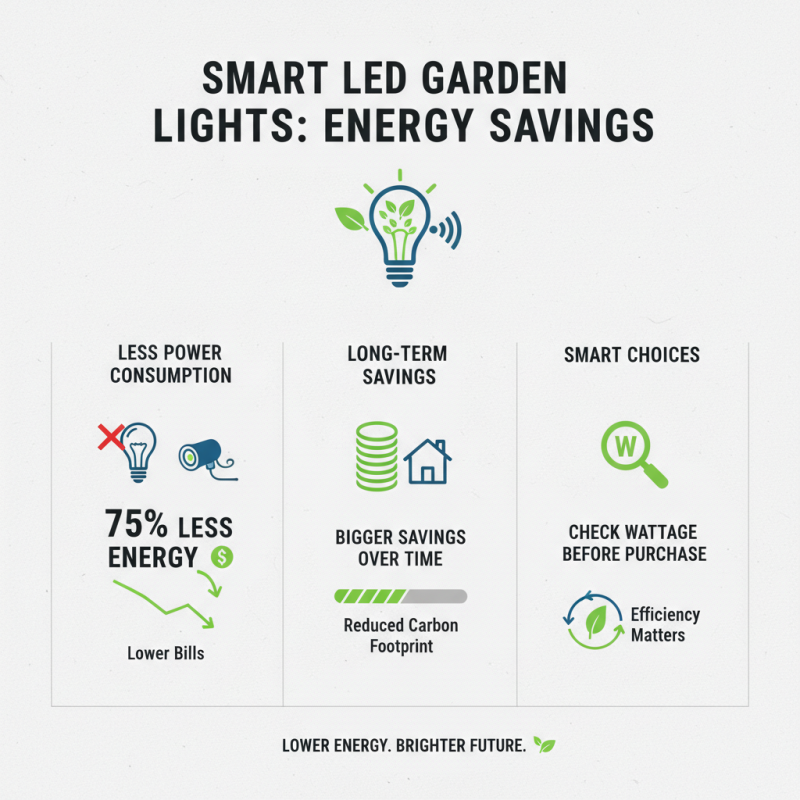
When selecting smart LED garden lights, energy efficiency is key. These lights often use less electricity than traditional bulbs. They consume about 75% less energy, which translates to lower bills. Over time, the savings add up. This efficiency is impressive, but it’s essential to check the wattage before purchasing.
Cost-effectiveness is another crucial factor. Smart lighting systems can be more expensive upfront. However, consider long-term savings. Many smart lights come with features like timers and sensors. These can prevent unnecessary usage. Sometimes, the initial cost can be discouraging. It’s an investment, but one that often pays off.
Remember to research the lifespan of different bulbs. LED lights typically last longer than halogen or incandescent options. This longer lifespan means less frequent replacements and reduced maintenance costs. Yet, appearances can be deceiving. Some models might look great but may not be energy efficient. Taking the time to compare options can make a significant difference.
Installation and Maintenance Tips for Smart LED Garden Lights
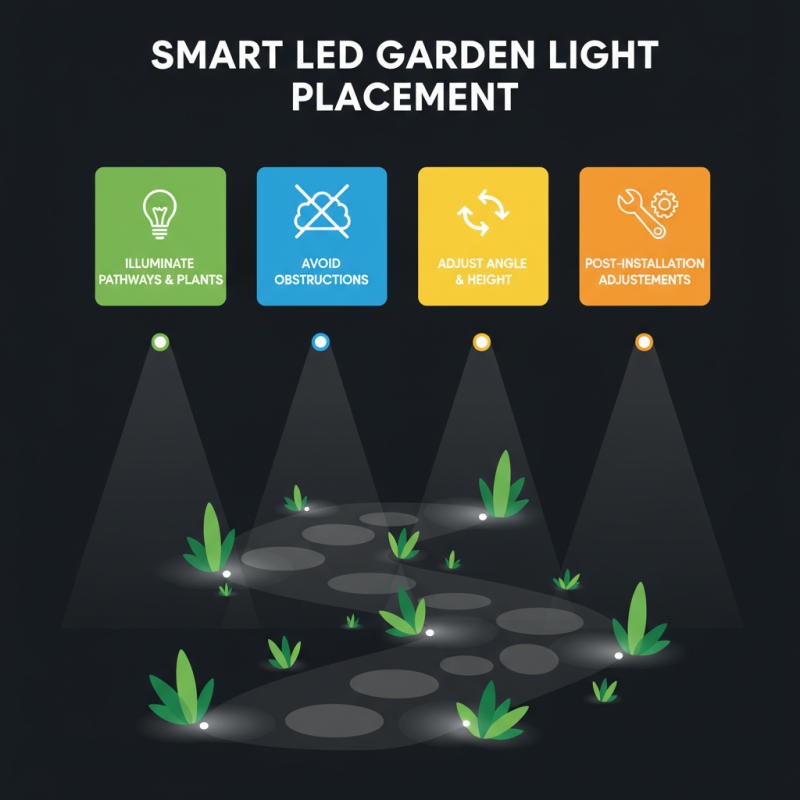
When setting up smart LED garden lights, it’s essential to consider the placement. Choose areas where they can illuminate pathways or highlight certain plants. Ensure they are not too close to obstructions. Otherwise, their light might not reach intended spots. Take time to check the angle and height of each light. Some adjustments might be necessary after installation.
Maintenance is another critical aspect. Regularly checking for dirt and debris is vital. A simple wipe can keep the lights functioning properly. Also, ensure that the sensors are clean. This helps them to operate efficiently. Over time, you might notice some lights dimming. This can indicate the need for bulb replacement. Remember, not all bulbs last the same amount of time.
Consider the weather where you live. Harsh conditions can affect the lifespan of your lights. Ensure they are rated for outdoor use. If you notice any issues, don’t hesitate to troubleshoot. Sometimes, a simple reset can solve many minor problems. Reflect on your garden's overall look as well. Adjustments may enhance the ambiance more than you expect.