How to Choose the Best Intelligent Lighting Control System?
Choosing the right Intelligent Lighting Control System can significantly enhance the comfort and efficiency of a space. As cities grow smarter, the demand for intelligent lighting solutions rises. Many systems offer features that adjust to time, presence, and preferences. Yet, not all systems are created equal.
Consider your specific needs. What works for a residential setting may not suit a commercial environment. Reflect on how lighting affects mood and productivity. An effective system enhances ambiance while minimizing energy use. Look for features like automation, remote access, and compatibility with existing devices.
Research is key. Not every product is reliable, and installation can vary in complexity. It's essential to read reviews and consult with professionals. User experiences can reveal hidden issues. An informed decision leads to better satisfaction and long-term benefits. Aim for a system that evolves with technology and your lifestyle.

Understanding Intelligent Lighting Control Systems
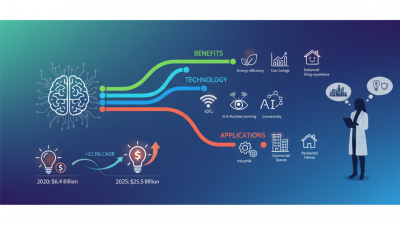
Intelligent lighting control systems are revolutionizing how we manage light in our spaces. These systems offer benefits that enhance both the atmosphere and energy efficiency. According to the U.S. Department of Energy, proper lighting controls can reduce energy usage by up to 40%. This statistic highlights the significance of choosing the right system.
Understanding the range of available options is crucial. Systems can vary widely in complexity and features. Basic systems allow for manual adjustments, while advanced solutions incorporate automation and user interfaces that adapt to preferences. A recent report by Navigant Research shows that the global market for intelligent lighting is expected to reach $45 billion by 2025. This growth indicates an increasing reliance on these technologies in modern design.
Selecting an intelligent lighting control system requires careful consideration. Users must reflect on their actual needs and scenarios. A system that fits perfectly for a large office may not work in a cozy cafe. Not every feature may be necessary for every environment. Balancing control capabilities with user experience is key. Often, seeking expert advice can clarify doubts about system specifications and installation requirements.
Key Features to Look for in Lighting Control Systems
When selecting an intelligent lighting control system, there are key features that can greatly enhance user experience and efficiency. One crucial aspect is the capability for integration. A system that harmonizes with existing devices can improve functionality. Reports indicate that 70% of users prefer solutions that allow seamless integration with smart home technologies. This adaptability can lead to long-term cost savings and energy efficiency.
Another important feature is user interface design. A clean and intuitive interface allows for easier navigation. Complex systems can deter users and hinder effective control. According to industry surveys, around 40% of users find complicated controls frustrating, leading to underutilization of available features. Simplicity in design often reflects reliability in function.
Energy monitoring capabilities are also vital. Users should consider systems that provide insights into energy consumption. Such features not only promote energy conservation but also contribute to sustainability efforts. Research shows that systems with energy monitoring can reduce costs by up to 20%. Still, the challenge lies in making this data actionable for users. Without clear visuals and actionable insights, valuable information can go overlooked.
Comparing Different Types of Intelligent Lighting Solutions
When selecting an intelligent lighting control system, it's crucial to understand the different types available. Each system offers unique features and functionalities tailored to various needs. Some systems focus on energy efficiency, while others highlight seamless integration with smart home technology. Understanding your requirements is essential for making the right choice.
Wired systems are often seen as more reliable. They provide stable connections and are less prone to interference. However, installation can be cumbersome. You might face high upfront costs. On the other hand, wireless systems offer flexibility and ease of installation. They are user-friendly but may suffer from connectivity issues. Consider your space before making a decision.
Many innovative solutions include motion sensors and adaptive lighting. These features enhance comfort and save energy. Yet, some users report inconsistent performance. This variability in reliability can affect overall satisfaction. It's also important to evaluate the scalability of the system. Some solutions may require extensive rewiring to expand. Assess your long-term goals to choose wisely.
Intelligent Lighting Control System Comparison
Evaluating Compatibility with Existing Infrastructure
When choosing an intelligent lighting control system, assessing compatibility with existing infrastructure is crucial. A study by the International Energy Agency reported that 70% of commercial buildings still rely on traditional lighting setups. This statistic underlines the importance of ensuring new technologies can seamlessly integrate with legacy systems. Compatibility reduces installation costs and operational disruptions.
Evaluating existing wiring, fixtures, and protocols is essential. Many retrofitting projects face challenges due to outdated systems. For instance, some older buildings use specific dimming controls that may not work with modern smart systems. A report from Building Operation Management highlights that 40% of retrofitting installations fail due to compatibility oversights. Addressing these factors can maximize the investment in new technology.
Involving qualified professionals early in the process can help identify potential issues. They can conduct compatibility assessments that ensure smooth integration. Additionally, seeking technical documentation and support from manufacturers can provide valuable insights. Not all intelligent systems are built alike, making thorough research essential for a successful upgrade. Testing before full implementation is recommended to mitigate unforeseen challenges.
Analyzing Cost versus Benefit of Intelligent Lighting Systems
Intelligent lighting control systems can significantly affect operational costs and energy savings. According to a study by the U.S. Department of Energy, advanced lighting controls can save up to 60% in energy costs. This implies a quick return on investment, often within two years. However, initial installation costs can be high. Businesses must weigh these upfront expenses against long-term savings.
Moreover, maintenance expenses should also be considered. Intelligent systems often require specialized maintenance. A report from the Lighting Research Center indicates that some systems may incur unexpected repair costs. This is a factor that cannot be overlooked when calculating the total cost of ownership. Companies should also consider the potential for increased employee productivity. A well-lit environment can improve focus and efficiency, which may enhance overall business performance.
Lastly, the integration of smart technology might seem overwhelming. The complexity of user interfaces can lead to resistance among staff. Ensuring proper training is crucial. Employers should assess whether their teams are prepared to embrace such changes. Balancing technological advancement with user capability remains a vital challenge. Understanding both costs and benefits is essential for making informed decisions in selecting lighting control systems.