How to Choose the Right Zhaga Controller for Your Smart Lighting System
In the rapidly evolving landscape of smart lighting systems, the integration of advanced control technologies is pivotal for achieving energy efficiency and operational effectiveness. The Zhaga Controller has emerged as a critical component in this domain, facilitating interoperability among various lighting devices. According to a recent report from MarketsandMarkets, the global smart lighting market is projected to grow from USD 11.76 billion in 2020 to USD 36.60 billion by 2025, reflecting a compound annual growth rate (CAGR) of 25.5%. This trend underlines the increasing demand for solutions that enable enhanced connectivity and control, making the selection of an appropriate Zhaga Controller a fundamental consideration for lighting designers and facility managers.
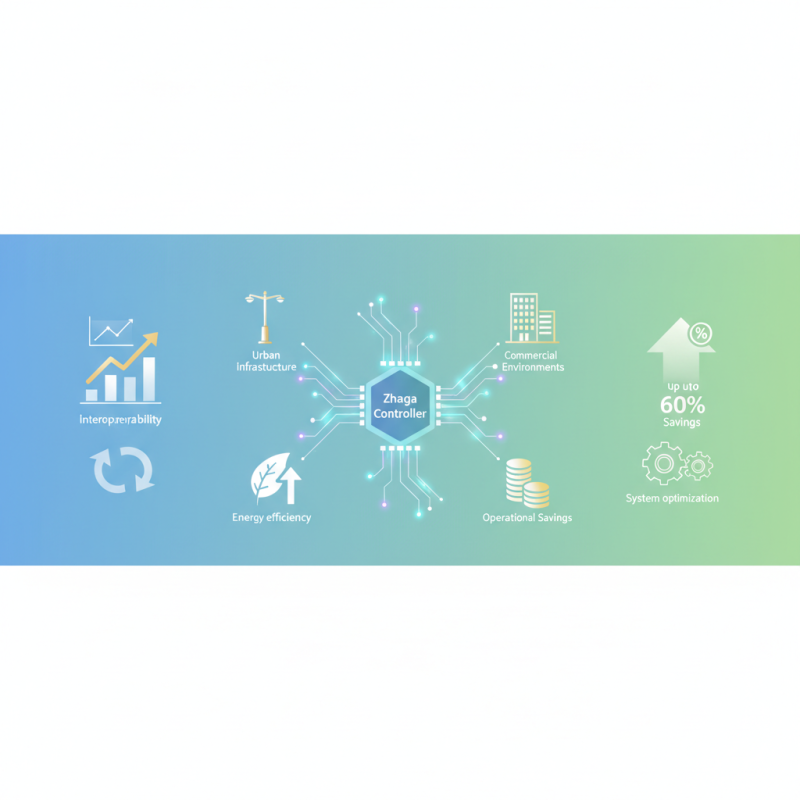
As smart lighting systems become more integral to urban infrastructure and commercial environments, the role of the Zhaga Controller extends beyond mere compatibility. Research suggests that well-implemented smart lighting controls can lead to energy savings of up to 60%, significantly reducing operational costs and carbon footprints. Thus, understanding the specific functionalities and features of various Zhaga Controllers is essential for optimizing system performance. This guide aims to equip stakeholders with the necessary insights to make informed decisions when selecting the right Zhaga Controller for their unique smart lighting applications.
Understanding Zhaga Standards and Their Importance in Smart Lighting
Understanding the Zhaga Standards and Their Importance in Smart Lighting
Zhaga standards play a crucial role in ensuring compatibility and interoperability of components in smart lighting systems. These standards define physical, electrical, and communication interfaces for luminaire components, enabling seamless integration among various manufacturers' devices. By adhering to Zhaga specifications, lighting designers and manufacturers can create systems that are not only flexible but also future-proof, as they can easily upgrade or replace components without the need for a complete redesign.
When selecting a Zhaga controller for your smart lighting setup, consider how well the controller aligns with the Zhaga specifications relevant to your application. Look for controllers that support a variety of luminaire types and communication protocols to ensure a broader range of compatibility. This will not only optimize your current installation but also offer scalability for future expansions, allowing you to adapt to emerging technologies.
Tips: Always verify that the components you are considering are Zhaga certified to ensure compliance. It's also wise to consult with your lighting designer or technician to assess your system's specific needs and constraints. Additionally, keep an eye on the evolving Zhaga standards, as staying updated can provide insights into the latest trends and innovations in smart lighting solutions.
Different Types of Zhaga Controllers Available in the Market
When selecting a Zhaga controller for your smart lighting system, understanding the various types available on the market is crucial. The primary classifications include the basic interface controllers, smart controllers with advanced features, and multi-function controllers. Basic interface controllers focus on simple control mechanisms, often suited for smaller installations. In contrast, smart controllers are designed to integrate seamlessly with IoT systems, offering features such as dimming, color tuning, and occupancy sensing. According to industry reports, the demand for smart lighting solutions is expected to grow at a CAGR of 20%, primarily driven by consumer preference for energy-efficient and customizable lighting options.
Tips: When choosing a Zhaga controller, consider your specific needs—whether you require basic functionality or advanced features. Assess the scalability of the controller to ensure it can accommodate future expansions.
Multi-function controllers are also gaining traction due to their versatility in managing various lighting types and configurations. These controllers often incorporate wireless communication protocols, enabling remote access and control. A report from a leading lighting research firm indicates that around 45% of commercial users are now adopting multi-function controllers to manage diverse lighting environments efficiently.
Tips: Evaluate the communication protocols supported by the controller to ensure compatibility with your existing smart home ecosystem. Prioritizing interoperability can enhance the performance and longevity of your lighting system.
Key Features to Consider When Selecting a Zhaga Controller
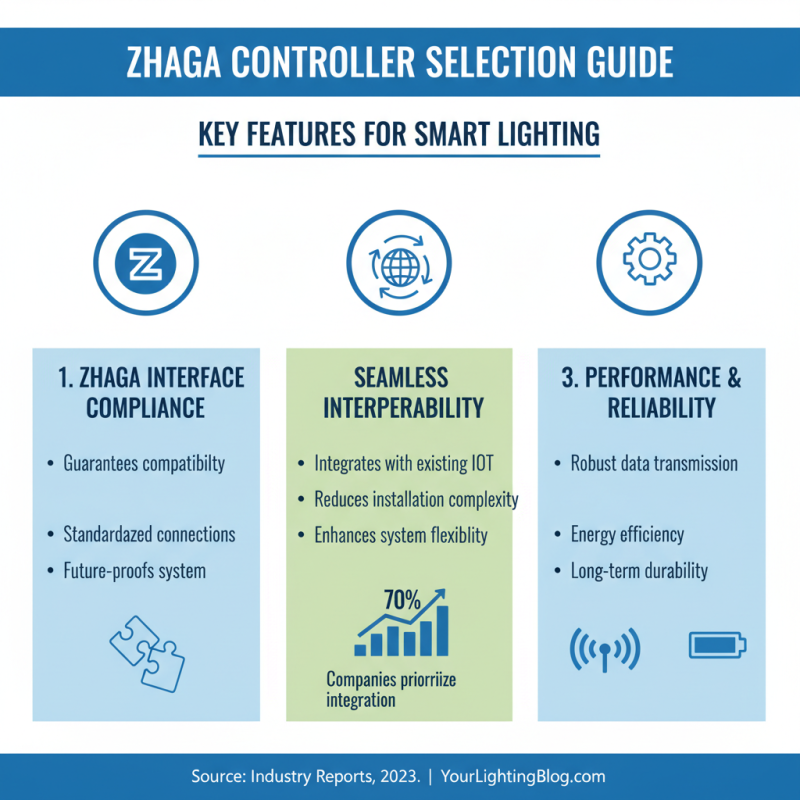
When selecting a Zhaga controller for your smart lighting system, it's crucial to consider several key features that can significantly impact performance and interoperability. First and foremost, ensure that the controller complies with the Zhaga interface specifications, which promote compatibility across various lighting fixtures. According to recent industry reports, interoperability remains a top priority, as 70% of companies indicate that seamless integration with existing systems is vital for widespread IoT adoption.
Another important factor is the controller's energy efficiency. Advanced Zhaga controllers often incorporate features such as dimming capabilities and sensor integration that can lead to a reduction in energy consumption of up to 30%. This is particularly relevant as the global demand for energy-efficient solutions continues to rise, with a projected market growth of 20% by 2025 for smart lighting technologies.
Tips: When evaluating different Zhaga controllers, prioritize those that offer user-friendly interfaces and robust software support. A controller that provides easy access to monitoring tools and control systems not only enhances user experience but also simplifies maintenance and troubleshooting. Additionally, consider the scalability of the system; a modular approach can facilitate gradual upgrades, making it more adaptable to future technological advancements.
Compatibility: Ensuring Your Controller Works with Existing Systems
When selecting a Zhaga controller for your smart lighting system, ensuring compatibility with your existing systems is paramount. Research indicates that nearly 60% of smart lighting failures stem from compatibility issues, often resulting in unnecessary expenditures and system downtime. Therefore, a thorough assessment of both the hardware and software compatibility must be conducted before making a purchase. Reviewing technical specifications and certifications can provide insight into whether a controller will seamlessly integrate into your current setup.
One of the best practices to ensure compatibility is to consult resources or forums where industry professionals share their experiences with various systems. These platforms can be invaluable for gathering insights on specific models that have shown reliability in real-world applications. Additionally, technical support from manufacturers can clarify any uncertainties regarding compatibility, offering you peace of mind as you make your decision.
**Tip:** Always check the latest Zhaga specifications against your current devices. Manufacturers often publish compatibility lists that can save you time and effort by confirming interoperability.
**Tip:** Consider controllers with firmware that can be regularly updated. This ensures ongoing compatibility with emerging technologies and standards within the smart lighting landscape. Keeping your system up-to-date will prolong its usability and efficiency.
Compatibility of Different Zhaga Controllers with Smart Lighting Systems
This chart displays the compatibility scores of various Zhaga controllers with smart lighting systems. A higher score indicates better compatibility with existing systems, which is crucial for seamless integration.
Installation and Maintenance Tips for Zhaga Controllers
When integrating a Zhaga controller into your smart lighting system, proper installation and maintenance are essential for optimizing performance and longevity. According to a recent report from the Global Smart Lighting Market, the industry is projected to grow at a compound annual growth rate (CAGR) of 20.4% from 2023 to 2030, emphasizing the need for efficient operational practices. Proper installation of Zhaga controllers begins with ensuring compatibility with existing lighting systems and confirming adherence to local electrical codes. It is advised to consult the Zhaga standard documentation to ascertain specifications for mounting configurations and wiring connections.
Maintenance of Zhaga controllers should include regular inspections and firmware updates to ensure smooth functionality. Data from the International Energy Agency indicates that smart lighting can reduce energy consumption by up to 50%, highlighting the importance of keeping controllers up to date for optimal energy management. Cleaning dust and debris from the devices and checking for loose connections can prevent potential failures and extend the lifespan of the components. Scheduled maintenance routines not only enhance system reliability but also ensure that the smart lighting system continues to meet energy efficiency goals, paving the way for sustainable urban development.
How to Choose the Right Zhaga Controller for Your Smart Lighting System - Installation and Maintenance Tips for Zhaga Controllers
| Parameter |
Description |
Importance |
| Compatibility |
Ensure the controller is compatible with your lighting fixtures and the Zhaga standard. |
High |
| Dimming Capability |
Check if the controller supports the desired dimming technology (e.g., 0-10V, PWM). |
High |
| Control Protocol |
Determine what control protocols the controller supports (e.g., Zigbee, DALI, Bluetooth). |
Medium |
| Power Rating |
Verify the power rating matches your lighting load requirements. |
High |
| Installation Ease |
Assess if the installation process is straightforward and if there’s good documentation. |
Medium |
| Maintenance Features |
Look for features that simplify maintenance, such as LED indicators or diagnostics. |
Low |
| Firmware Updates |
Check if the controller allows for firmware updates to enhance functionality over time. |
Medium |