Leave Your Message

What Are the Best Smart LED Downlights for 2026?

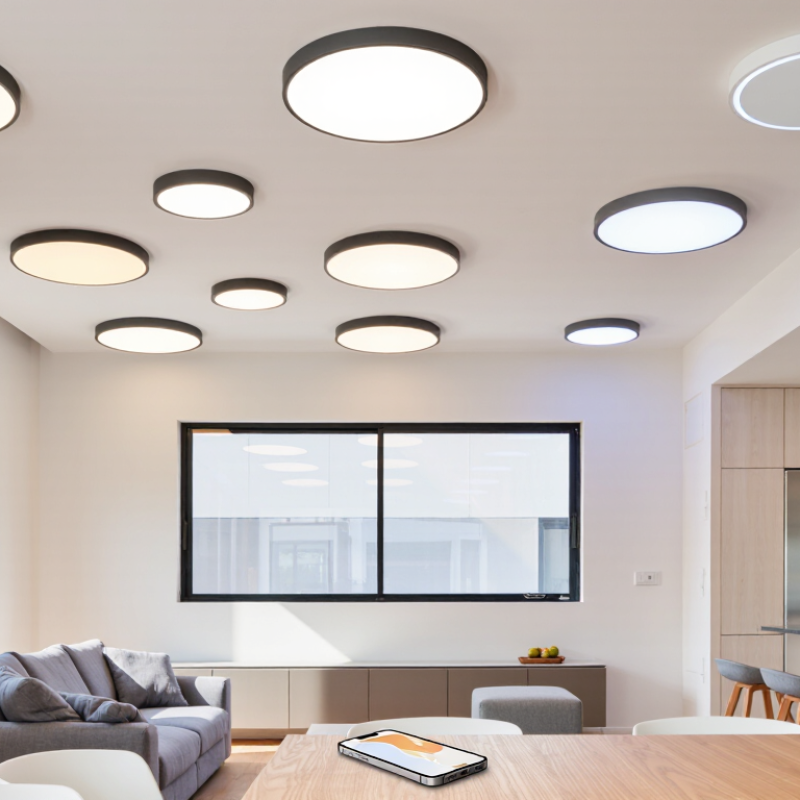
Choosing the best smart downlights for 2026 means looking beyond colorful app screenshots. A Smart Led Downlight should provide useful everyday light, reliable controls, and clear specifications. Brightness, measured in lumens, helps show whether a fitting suits a hallway or a larger kitchen. Adjustable white temperature can shift from warm evening light to a cooler work setting. Color effects are useful, but they should not distract from basic performance.

This guide compares the details that matter before you buy: dimming range, control options, voice-assistant compatibility, installation requirements, and warranty information. It also considers how well each light fits an existing smart-home setup. Check the product’s documented specifications and confirm that its fittings and electrical requirements match your space. Never assume that every downlight works with every hub or dimmer. Small compatibility gaps can become frustrating.

Real use matters. A light may respond quickly in a shop demonstration, yet behave differently across a busy home Wi-Fi network. Specs help, but they do not tell the whole story. We’ll weigh available product evidence carefully and distinguish stated features from hands-on observations. Some trade-offs remain, including higher prices for advanced controls and limited choices for certain ceiling cutouts. The “best” option may depend on your room, budget, and preferred ecosystem. A perfect pick? Maybe not. Expect practical comparisons, not a universal winner.
What Are the Best Smart LED Downlights for 2026?

How Smart LED Downlights Work and What Sets Them Apart

What Are the Best Smart LED Downlights for 2026?

How Smart LED Downlights Work and What Sets Them Apart

A smart LED downlight combines an LED light source, an electronic driver, and wireless controls. The driver regulates power; the control system lets you adjust brightness, color temperature, schedules, or scenes from an app or compatible controller. Some models also respond to voice commands or occupancy sensors. In a hallway, that might mean a soft night setting after midnight instead of full brightness. Useful, but not magic.

The U.S. Department of Energy’s LED Lighting guidance reports that LEDs use at least 75% less energy and can last up to 25 times longer than incandescent lighting. Those figures describe LEDs generally, not guaranteed savings from smart controls. Actual results depend on how long lights are used and whether dimming or automation changes those habits. A connected downlight can still waste energy if it stays on all night.

Tips: Check ceiling cutout size, insulation clearance, and dimmer compatibility before buying. Confirm whether the light needs a hub or works directly with your home network. Then test the lowest brightness setting; some fixtures flicker or look uneven when dimmed. It is an easy detail to overlook.

Which Features Matter When Choosing a Smart Downlight

What Are the Best Smart LED Downlights for 2026?
Which Features Matter When Choosing a Smart Downlight

A useful smart downlight should make everyday lighting comfortable, not just add another app. Check whether it dims smoothly at low brightness and offers adjustable white tones, from warm evening light to cooler task lighting. Color accuracy matters, too: a high color-rendering rating helps food, wood, and fabrics look more natural. Try to compare specifications, not just attractive product photos. Looks can mislead.

Check the physical fit before buying. Measure the ceiling cutout and available depth, then confirm the fitting suits the room’s moisture and insulation conditions. Reliable wireless control matters if lights sit far from the router or connect through a hub; confirm compatibility with your existing controls. Also look for clear information about software updates and whether basic functions work without an internet connection. That detail is easy to miss. In practice, setup and pairing can feel less intuitive than a feature list suggests, so simple controls are worth valuing. Flicker performance, dependable dimming, and a comfortable beam often matter more than a long list of novelty effects. I’d still compare sample settings in the actual room, because screen images can’t show how light feels at night.

What Are the Best Smart LED Downlights for 2026? — Which Features Matter When Choosing a Smart Downlight

Feature What to Check Why It Matters Practical Selection Guide
Light output Rated brightness in lumens, not just wattage. Lumens indicate the amount of visible light produced. The right output depends on room size, ceiling height, downlight spacing, and the task. Compare lumen ratings at the same colour temperature where possible. Use a room-lighting plan rather than assuming one downlight will suit every space.
Colour temperature Fixed white or adjustable white, measured in kelvins (K). Lower colour temperatures appear warmer; higher temperatures appear cooler. Adjustable-white models can change the ambience without changing the fitting. A common adjustable range is approximately 2700–6500 K, but available ranges differ. Check the stated range and whether it can be adjusted smoothly.
Colour rendering Colour Rendering Index (CRI), usually shown as Ra. CRI describes how accurately colours appear under a light source compared with a reference. It can matter for kitchens, bathrooms, artwork, and clothing areas. Look for a published CRI value. CRI 80 or higher is a common baseline; CRI 90 or higher can be preferable where colour appearance is important.
Dimming quality Minimum dimming level, smoothness, and performance at low brightness. Some lights may flicker, jump, or switch off at very low settings, depending on the product and control system. Check the manufacturer's dimming specifications and user guidance. Confirm that app, voice, and wall-control dimming work with the intended setup.
Wireless connection Connection method, network requirements, and operation during internet outages. Smart downlights may use Wi-Fi, Bluetooth, Zigbee, Thread, or a combination. Requirements affect setup, range, and whether a separate hub is needed. Check supported Wi-Fi bands and whether a hub or border router is required. Confirm which basic controls remain available if the internet connection is unavailable.
Smart-home compatibility Support for the platforms and standards used in the home. Compatibility determines whether lights can be controlled alongside other devices, through routines, or with a preferred voice assistant. Verify compatibility for the exact product version. Matter support can aid interoperability, but requires compatible controllers and does not guarantee every feature works across every platform.
Beam angle and light distribution Beam angle, glare control, and whether the light is fixed or adjustable. A narrower beam concentrates light; a wider beam spreads it across a larger area. Recessed placement and trim design also influence glare. Compare beam-angle specifications and product diagrams. Match the distribution to the room layout and intended use rather than choosing by appearance alone.
Physical fit and installation Cut-out diameter, fitting depth, ceiling clearance, and driver dimensions. Downlights are not necessarily interchangeable. A fitting may not suit an existing ceiling cut-out or the space above the ceiling. Measure the existing cut-out and available depth, then compare them with the product's installation drawing. Check insulation-contact and clearance instructions.
Bathroom suitability Ingress Protection (IP) rating and permitted installation location. IP ratings describe protection against solid objects and water under specified test conditions. Bathroom requirements depend on location and local electrical rules. Use the rating required for the specific installation zone and follow local regulations. Do not treat an IP rating alone as proof that a fitting is suitable for every wet location.
Energy use Input power in watts and luminous efficacy in lumens per watt (lm/W). These figures help compare light output with electricity use. Compare products at similar brightness and operating settings. Check the rated lumens and watts together. Actual energy use can vary with brightness, colour settings, and standby operation.
Rated life and warranty Published lifetime, test conditions, and warranty coverage. Rated life is an estimate under stated conditions, not a guarantee that every unit will last for that duration. A sealed fitting may require replacement as a whole. Read the lifetime definition and warranty terms, including exclusions and whether the LED module or complete fitting is covered.
Controls and automation Schedules, scenes, occupancy routines, and physical-control options. Useful controls can make everyday operation simpler, while dependence on an app can be inconvenient for guests or household members. Check whether the light supports the routines you need and whether a wall switch or compatible smart control can be used reliably.

Note: Specifications and installation requirements vary by product and region. Confirm the product datasheet, local electrical rules, and suitability for the intended ceiling and location before purchase or installation.

How Leading Smart Downlight Types Compare in 2026

Smart LED downlights generally fall into three groups: Wi-Fi, hub-based, and Bluetooth models. Wi-Fi versions connect directly to a home network, so setup can be straightforward. They suit smaller rooms, though a crowded router may affect responsiveness. Hub-based lights use a separate bridge and often provide steadier control across many fixtures. That extra device takes space and adds setup steps. Bluetooth models can be economical, but control may be limited when you are away from home.

Light quality matters as much as connectivity. Tunable-white downlights shift from warm evening light to cooler task lighting, while color-changing models add decorative effects. For a kitchen, check the beam angle and brightness: a narrow beam can leave dark patches between counters. A dimmer range that stays smooth at low levels is useful in bedrooms. Setup is simple. Compatibility is not always.

Before choosing, compare recessed-can size, ceiling clearance, and whether the fitting needs a neutral wire or a compatible dimmer. These details are easy to overlook, and product descriptions do not always make them clear. Check stated support for voice assistants, schedules, and local control; features can vary by model and software updates. A hub may be unnecessary for two lights, yet useful in a larger home. The best comparison is practical, not just a list of features. I would still test one fixture before outfitting an entire room.

Which Smart Downlights Suit Different Rooms and Needs

What Are the Best Smart LED Downlights for 2026?

Which Smart Downlights Suit Different Rooms and Needs

The right smart downlight depends on how a room is used. In kitchens, choose adjustable white tones and a focused beam for clear worktop lighting. A wide beam can soften shadows across dining areas. In living rooms, dimming and warm-white settings help shift the mood from reading to relaxing. Check that the lights work with your existing control system before buying; compatibility can be less simple than product pages suggest.

Bedrooms usually benefit from low, warm light and smooth dimming. For bathrooms, check the fixture’s moisture rating and installation requirements, especially near showers. Small rooms may need fewer downlights than expected. Too many can create a harsh, spotty ceiling. Think about spacing, ceiling height, and where people actually sit or work. One trade-off: advanced color settings sound appealing, but many households mostly use warm and neutral white.

Tips: Compare beam angle, brightness, dimming range, and controls—not just color options. Test one light first if possible. A sample may reveal glare or uneven coverage that a specification sheet misses. It is easy to overestimate how much smart lighting a room needs.

How to Check Compatibility, Installation, and Long-Term Costs

The best smart LED downlights for 2026 are not simply the brightest or most feature-packed. Start by checking the ceiling cutout, fitting depth, and whether the light is suitable for insulated ceilings. Confirm that its control system works with your home network, phone, and any existing hub. Some models need a 2.4 GHz Wi-Fi connection or a separate bridge. Check dimmer compatibility too; an older wall dimmer can cause flickering or limited brightness. One easy detail to miss.

Installation affects both safety and the final bill. Measure the ceiling opening before ordering, and allow room above the fitting for wiring and heat management. If electrical work is unfamiliar, ask a qualified installer to assess the circuit and local requirements. Compare more than the unit price: include labor, hubs, compatible switches, and possible replacement costs. Over time, efficient LEDs may use less electricity than older lamps, but app support and warranty terms matter too. A low purchase price can be misleading.

Tips: Check the return policy before buying a full set. Test one downlight first, including dimming and voice control, then order more. Keep the packaging and note the model details. Not every ceiling behaves as expected.

What Are the Best Smart LED Downlights for 2026?

10-year electricity cost comparison for representative 50 W halogen, 7 W LED, and 8 W smart LED downlights. Estimates assume 3 hours of use per day and electricity at $0.16/kWh; purchase, installation, and maintenance costs are not included. Actual wattage and electricity rates vary.

Before buying, check that the downlight fits your ceiling cutout and housing, and confirm that its dimming method and control system are compatible with your existing wiring and switches. For a fair long-term comparison, add the fixture price, installation, and any replacement or maintenance costs to the electricity estimate.