Best Outdoor Lighting Control System for Smart Homes?
As smart home technology evolves, an efficient Outdoor Lighting Control System has become essential. Homeowners seek innovative solutions that provide convenience, security, and energy efficiency. Modern systems can enhance outdoor spaces and increase home value.
Imagine controlling your garden lights, path illuminations, and security spotlights with a simple tap on your smartphone. This seamless integration offers both functionality and style. However, many systems on the market may not meet every homeowner’s needs. It's crucial to research and compare options to find the best fit for your lifestyle.
Experts suggest evaluating features such as automation, scheduling, and integration with other smart devices. While some systems look appealing, they might lack proper support or updates. Investing time in understanding these systems can save headaches later. Finding the right Outdoor Lighting Control System requires careful consideration and reflection on personal needs and preferences.
Overview of Outdoor Lighting Control Systems for Smart Homes
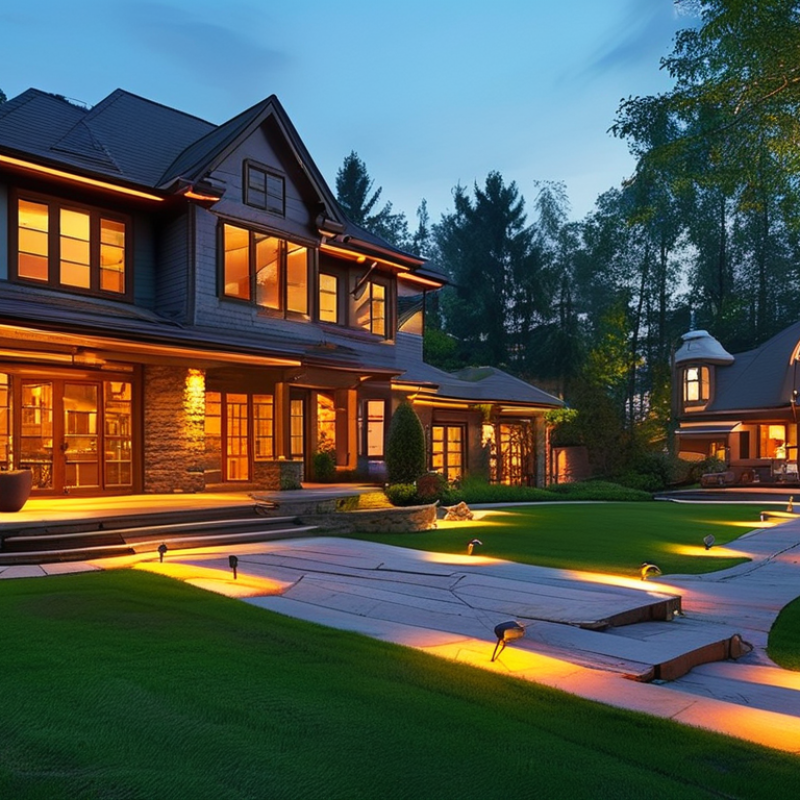
Outdoor lighting control systems are essential for modern smart homes. These systems allow homeowners to manage their outdoor lights easily. Smart technology is integrated to enhance efficiency and convenience. With features like motion sensors, lights can turn on automatically, improving safety. Adjusting the brightness based on time or activity can conserve energy.
Moreover, the installation of these systems requires careful planning. Users must consider layout and design. It’s vital to ensure that lights effectively illuminate walkways and garden areas. Customization options can add personal touches. However, balancing aesthetics with functionality can be challenging. Messy wiring or poorly placed fixtures may distract from home beauty.
Operating these systems can reveal unexpected issues. Connectivity problems may arise when using wireless options. Consistent software updates are crucial to maintain reliability. Homeowners should remain informed about advancements in smart home technologies. By doing so, they can make informed choices that enhance their outdoor living spaces. Overall, thoughtful integration of outdoor lighting systems can elevate comfort and security.
Key Features to Look for in a Smart Outdoor Lighting System
When choosing a smart outdoor lighting control system, key features can make a significant difference. One important aspect is compatibility with smart home ecosystems. According to a recent report, around 47% of smart homeowners prioritize connectivity with platforms like Zigbee and Z-Wave. This compatibility enables integrated control across devices, enhancing convenience.
Another crucial feature is automation capabilities. Systems that support scheduling and geofencing allow lights to adjust based on sunset times or the homeowner's location. Research indicates that homes using automated lighting can save up to 30% on electricity bills. However, not every system provides intuitive programming, which can lead to user frustration.
Finally, durability and weather resistance are essential. Outdoor lighting fixtures must withstand elements like rain and extreme temperatures. A study found that 60% of outdoor lighting failures are attributed to environmental factors. Investing in robust materials can prevent frequent replacements. These considerations highlight the importance of careful planning when selecting a smart outdoor lighting system for your home.
Popular Brands and Models of Outdoor Lighting Control Systems
When selecting the best outdoor lighting control system for your smart home, consider the various options available. Many popular brands offer innovative features designed to enhance convenience and security. You might find solutions that allow you to control lighting via a mobile app or voice commands. Some systems integrate with existing home automation setups seamlessly.
It's essential to focus on the specific needs of your home. For instance, consider whether you need lighting that can be scheduled or dimmed according to the time of day. Look for systems that offer weather resistance and durability, especially if they will be exposed to the elements.
Tips: Always read user reviews to gauge reliability. Test the setup in different scenarios. Consider potential interference from other devices in your home. If the system fails to respond, revisit the installation guidelines and double-check settings. Understanding how these systems function will lead to better decision-making.
Best Outdoor Lighting Control System for Smart Homes
Benefits of Integrating Outdoor Lighting with Smart Home Technology
Outdoor lighting plays a crucial role in enhancing the safety and ambiance of smart homes. Integrating outdoor lighting with smart home technology can provide significant benefits. Reports indicate that smart outdoor lighting systems can lead to a 30% reduction in energy consumption. Automated controls allow homeowners to adjust brightness levels based on the time of day or activity, minimizing unnecessary usage.
The ability to control outdoor lighting remotely adds convenience. Homeowners can turn lights on or off via smartphone apps while away. This feature can also deter potential intruders. According to studies, homes with automated lighting systems are 50% less likely to experience a break-in. However, not all systems are foolproof. Users must ensure they have reliable internet connectivity for seamless operation.
Tips: To optimize your outdoor lighting control, consider using motion sensors. They can automatically turn lights on or off when someone approaches. Additionally, integrating your lighting system with weather data can help adjust lighting based on sunset times. Regular updates and firmware upgrades are essential to maintain system reliability.
Installation and Setup Tips for Outdoor Lighting Control Systems
When setting up an outdoor lighting control system, proper installation is key. Start by mapping out the areas you want to light. Consider pathways, gardens, and porches. Choosing the right locations can enhance your outdoor space. Use design software if needed. It helps visualize layouts before you begin.
Ensure the power source is easily accessible. Improper wiring can lead to malfunctions or hazards. Use outdoor-rated cables. They’re designed to withstand weather changes. Avoid shortcuts. A well-followed installation prevents future issues. Test all connections before covering the wiring.
After installation, fine-tune the system. Adjust timers and sensors based on your needs. If lights don't work as intended, retrace your steps. Check configurations and settings. Learning from mistakes is crucial. Take notes of what worked and what didn't. This can guide future projects and improvements.
Best Outdoor Lighting Control System for Smart Homes
| Feature |
Description |
Installation Ease |
Smart Home Compatibility |
Price Range |
| Wi-Fi Connectivity |
Allows control via smartphone or tablet when connected to home Wi-Fi. |
Easy |
High |
$50 - $150 |
| Voice Control |
Compatible with voice assistants like Amazon Alexa or Google Assistant. |
Moderate |
Very High |
$100 - $300 |
| Dimming Capability |
Adjust brightness levels for ambiance and energy savings. |
Moderate |
High |
$70 - $250 |
| Motion Sensors |
Automatically turn lights on/off based on detected movement. |
Moderate |
Medium |
$60 - $200 |
| Weather Resistance |
Designed to withstand various outdoor weather conditions. |
Easy |
High |
$80 - $220 |