10 Best Light Pole Designs for Urban Lighting Solutions?
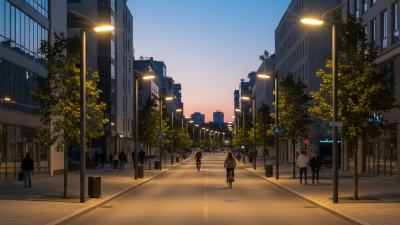
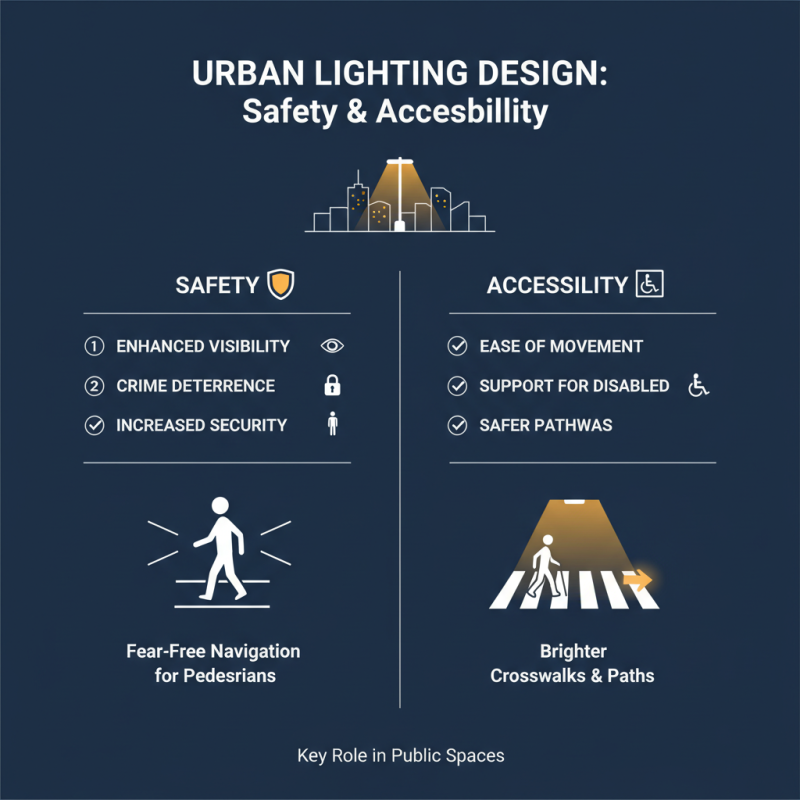
In urban environments, effective lighting is essential. A well-designed light pole can enhance both safety and aesthetics. Light poles serve as vital infrastructure, guiding pedestrians and vehicles alike.
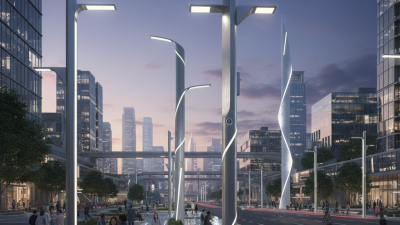
The charm of urban spaces often lies in their unique light pole designs. Each design can reflect the character and culture of a community. It’s interesting to see how creativity meets functionality in innovative light pole styles.
Moreover, the choice of materials and layouts can impact the overall vibe of a city. Light poles that blend with their surroundings create harmony. However, some designs may not always meet practical needs. This encourages ongoing reflection on balancing form and function in urban lighting solutions.
Innovative Concepts in Urban Light Pole Designs
Urban lighting solutions are evolving. Innovative light pole designs enhance both aesthetics and functionality. Recent studies reveal that over 70% of city planners prioritize design in public lighting. These structures now reflect cultural identity and improve safety.
One fascinating concept is integrating technology into pole design. Smart poles can offer Wi-Fi, charge electric vehicles, and monitor air quality. This multifunctionality addresses urban challenges. However, cities face concerns about the maintenance of these advanced systems. Ensuring longevity and reliability is crucial for their success.
Tip: When choosing a light pole design, consider how it complements the surrounding architecture. Aesthetics matter, but cost-effectiveness is key. Balancing these factors leads to better public acceptance. Urban areas are also experimenting with renewable energy sources, a significant step towards sustainability. While such advancements are promising, they can be expensive and complex to implement, requiring careful planning and community dialogue.
Sustainable Materials and Their Impact on Urban Lighting
Urban lighting solutions are evolving. The choice of materials plays a crucial role in their sustainability. Recent studies show that 40% of urban lighting fixtures are made from unrecycled materials. This contributes significantly to waste and carbon emissions.
Sustainable materials, like recycled aluminum and bio-based plastics, are gaining traction. Research indicates that using recycled materials reduces energy consumption by up to 30%. Such materials are lighter and easier to install, which reduces transportation emissions. Cities can benefit from lower long-term maintenance costs.
However, not every design embraces sustainability. Some light poles still utilize non-renewable materials. There is a pressing need to evaluate the environmental impact of urban lighting. The effectiveness of any lighting design starts from its material composition. Cities must prioritize innovation in sustainable practices for a greener future.
Functional Aesthetics: Blending Design with Purpose
In urban areas, the need for functional aesthetics in light pole designs has never been more critical. A recent report noted that over 70% of city planners prioritize visual appeal alongside efficiency when designing urban spaces. Light poles not only illuminate streets but also serve as design elements that enhance public areas. Creative designs can transform ordinary poles into artful statements. They attract attention and can even contribute to a city’s identity.
The integration of technology into light pole design is vital. Research indicates that cities using smart lighting solutions saw a 30% reduction in energy costs. These systems also offer adaptive lighting, responding to real-time conditions. This functionality promotes safety by ensuring well-lit areas during dark hours. However, the challenge remains in balancing advanced technology with elegant design. It’s important to remember that not every design will meet functionality standards. Some might prioritize aesthetics too heavily, leading to inefficiencies that frustrate urbanites.
Furthermore, sustainability is a growing concern. According to industry studies, 40% of urban lighting systems are outdated, resulting in wasted energy. Designers need to rethink their structures to include sustainable materials and energy-efficient bulbs. While many innovative designs exist, not all are implemented successfully. A reflective approach is necessary. Engaging the community in the design process could ensure that aesthetic choices align with practical needs, creating spaces that are both beautiful and functional.
Smart Technology Integration in Light Pole Solutions
The integration of smart technology into urban light pole designs is revolutionizing public spaces. Smart light poles can support Wi-Fi, environmental sensors, and even security cameras. According to a recent report, cities using smart lighting see a 30% reduction in energy costs.
These light poles are more than just fixtures. They gather data on pedestrian traffic and air quality. This information can help city planners make informed decisions. The ability to monitor energy consumption in real-time allows cities to adjust lighting based on need. This flexible approach leads to a more sustainable urban environment.
Tip: Consider the adaptability of light pole designs. An ideal system can accommodate future technology updates without a complete overhaul.
Leveraging smart technology comes with challenges. Not all cities have the budget for sophisticated systems. However, pilot programs can test efficacy without a massive investment.
Tip: Begin with scalable projects. Small upgrades can lead to significant improvements without overwhelming resources.