Best Led Linear Light Options for Home and Office Spaces in 2023
As the demand for versatile and efficient lighting solutions continues to grow, the popularity of LED linear lights has surged in both home and office environments. These lighting fixtures are not only aesthetically pleasing but also offer enhanced energy efficiency, longevity, and ease of installation. In 2023, the best LED linear light options provide the ideal combination of functionality and style, catering to various needs and preferences.
Whether you are redecorating your home or looking to enhance the productivity of your workspace, choosing the right LED linear light can make a significant impact. With advancements in technology, these lights are available in a range of designs, lengths, and color temperatures, allowing for customized illumination that can transform any space. This article explores some of the top LED linear light options for home and office spaces, highlighting their features and benefits to help you make an informed decision. Embrace the modern lighting revolution and discover how LED linear lights can elevate your environment while promoting sustainability and energy savings.
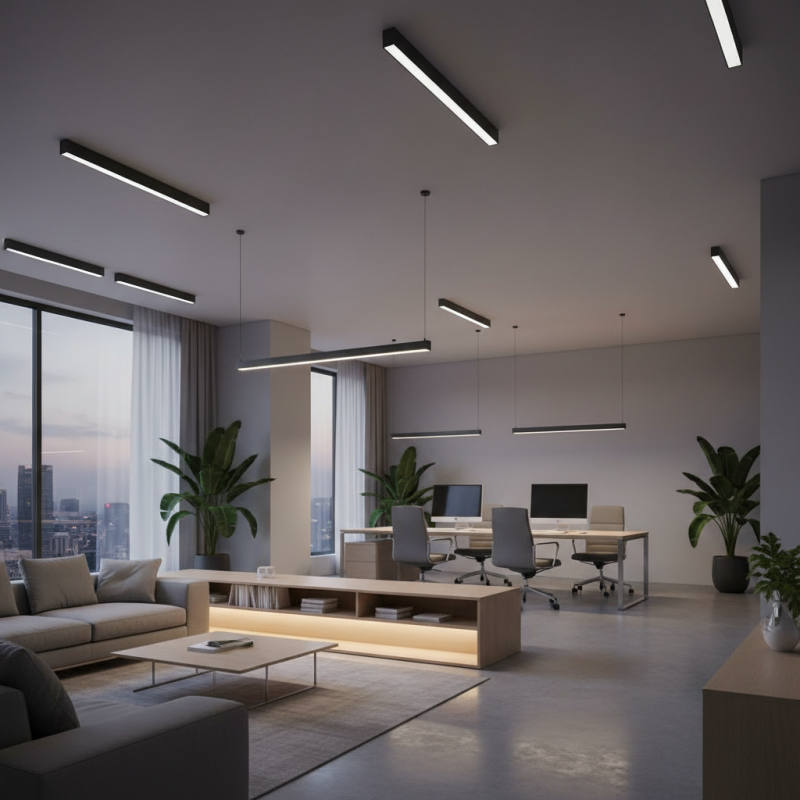
Best LED Linear Light Options: A Comprehensive Guide
When it comes to illuminating both home and office spaces, LED linear lights have emerged as an ideal choice due to their sleek design and energy efficiency. These lights can be seamlessly integrated into various environments, providing even illumination that enhances the aesthetic appeal of any room. With advancements in technology, many options now offer adjustable brightness and color temperature, catering to different moods and tasks—ultimately allowing users to customize their lighting experience for maximum comfort and productivity.
In selecting the best LED linear lights, it's crucial to consider factors such as lumen output, color rendering index (CRI), and energy consumption. A higher lumen output ensures that spaces are adequately lit without being harsh on the eyes, while a good CRI indicates how accurately colors are represented under the light. Energy-efficient models not only lower electricity bills but also contribute to sustainability efforts. Moreover, mounting options and control features, such as dimmers and smart home integration, enhance their usability, making LED linear lights a versatile and thoughtful choice for contemporary living and working environments.
Best LED Linear Light Options for Home and Office Spaces in 2023
Understanding the Benefits of LED Linear Lights for Spaces
LED linear lights have become a preferred lighting solution for both home and office spaces due to their numerous benefits. One of the most significant advantages is energy efficiency. According to a report by the U.S. Department of Energy, LEDs use at least 75% less energy and last 25 times longer than incandescent lighting options, reducing electricity costs over time. This energy-saving capability not only contributes to lower utility bills but also aligns with environmentally friendly practices, making LED linear lights a sustainable choice.
Furthermore, LED linear lights provide excellent light quality, which can enhance productivity in office settings. They emit a bright, consistent light that reduces eyestrain and improves visibility, essential for environments where detailed work is performed. A study from the Lighting Research Center indicates that appropriate lighting can increase productivity by up to 20% in workplaces, showcasing how the right lighting can positively impact performance.
Tips: When selecting LED linear lights, consider the color temperature that best fits your space. For workspaces, a cooler color temperature (5000K-6500K) can enhance alertness, while warmer temperatures (3000K-4000K) are ideal for cozy, relaxing environments at home. Additionally, integrating dimmable options can maximize comfort while allowing for flexibility in lighting based on the time of day or activity.
Top Features to Consider When Choosing LED Linear Lights
When selecting LED linear lights for home and office spaces, several key features come into play to ensure both efficiency and suitability for the intended environment. One of the most critical aspects is lumen output, which measures the amount of light produced. According to a report by the U.S. Department of Energy, LED lights can deliver high lumens per watt, often exceeding 100 lumens per watt, allowing users to achieve brighter spaces while consuming less energy. Adequate lumen output not only enhances visibility but also fosters a productive atmosphere, particularly in work environments where clarity is essential.
Another crucial factor to consider is the color temperature of the LED lights. Color temperature is measured in Kelvin (K) and can significantly influence the ambiance of a space. A 2022 study published in the Journal of Human Factors and Ergonomics indicates that cooler color temperatures (around 4000K to 5000K) are more conducive to productivity and concentration in office settings, while warmer temperatures (2700K to 3000K) create a relaxing vibe suitable for home environments. Additionally, the longevity of LED linear lights, typically rated for over 25,000 hours, highlights their cost-effectiveness and lower maintenance demands over time, making them a wise investment for both residential and commercial uses.
Comparison of Popular Brands and Models in 2023
When it comes to illuminating home and office spaces efficiently, LED linear lights have become a favored choice for many consumers in 2023. According to a recent report by the U.S. Department of Energy, the adoption of LED lighting has increased significantly, with over 50% of households and commercial spaces opting for these lighting solutions due to their energy efficiency and long lifespan. In this quest for optimal lighting, it's crucial to compare popular brands and models to determine which options provide the best performance and value.
Several key factors should be considered when evaluating LED linear lights, such as lumen output, color temperature, and energy consumption. Industry analysis suggests that models offering higher lumen output around 2000 lumens per linear foot are particularly effective in larger areas like offices, while warmer color temperatures (between 3000K to 4000K) create a comfortable ambiance for both work and relaxation. Moreover, the Energy Star certification has become a benchmark for quality, indicating that a fixture meets rigorous energy efficiency guidelines. In 2023, consumers are encouraged to look for lights that boast both high durability and low power usage, with estimates showing that switching to LED can reduce energy consumption by up to 75% compared to traditional lighting methods.
Furthermore, emerging trends in the market include smart lighting technology that integrates seamlessly with home automation systems, allowing users to control their lighting remotely. Enhanced features such as tunable white light and adjustable brightness cater to various activities, from focused work to casual gatherings. With the advancement of LED technology and increased competition driving innovation, exploring the comparisons among popular brands is essential for making an informed decision that balances aesthetics, utility, and efficiency in today’s dynamic lighting landscape.
Tips for Installing and Maintaining LED Linear Lighting Systems
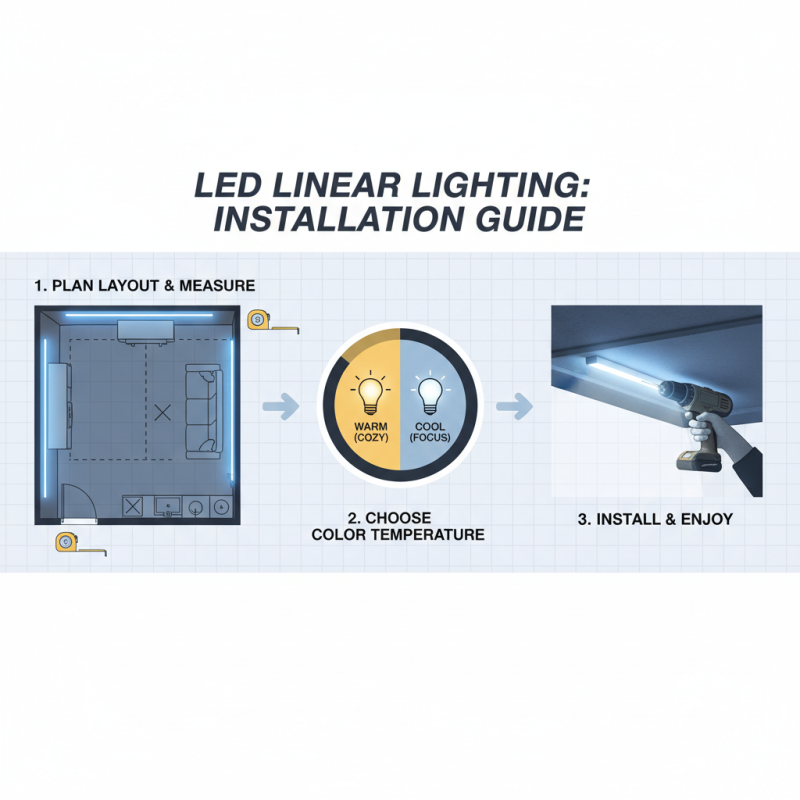
When installing LED linear lighting systems, proper planning and execution are essential for maximizing their efficiency and aesthetic appeal. First, consider the layout of the space. Measure the length of the area you wish to illuminate, taking note of any obstacles such as furniture or architectural features. This will help determine the number and placement of fixtures needed. It's also important to choose the right color temperature for the intended atmosphere; warmer tones create a cozy environment, while cooler tones are ideal for workspaces that require focus and concentration.
Maintenance of LED linear lights is relatively straightforward but crucial for ensuring longevity and optimal performance. Regularly dusting the fixtures helps prevent grime buildup, which can dim the light output. If your system includes dimmable features, ensure the compatible dimmers are used to avoid flickering or reduced lifespan. Additionally, check connections and wiring periodically to prevent any electrical issues. Staying proactive about these maintenance tasks not only enhances the lighting experience but also extends the life of your LED fixtures.