Top 10 Benefits of Using LED Downlights for Your Home Lighting Needs?
LED downlights have increasingly become a popular choice for home lighting. According to a report by Allied Market Research, the global LED lighting market is expected to reach $135 billion by 2027. This growth emphasizes the rising reliance on energy-efficient solutions like LED downlights.
These fixtures offer numerous benefits. They are known for their longevity and can last up to 50,000 hours. This is significantly longer than traditional bulbs, which need frequent replacements. Consumers can reduce maintenance costs over time. LED downlights also contribute to lower energy bills. They consume up to 80% less energy than conventional lighting.
However, some individuals might hesitate due to initial costs. While prices for LED downlights have dropped, they can still be higher than traditional options. It’s a choice worth considering for both savings and sustainability. The advantages certainly outweigh the drawbacks for those willing to invest in their home lighting solutions.
Benefits of LED Downlights for Energy Efficiency in Homes
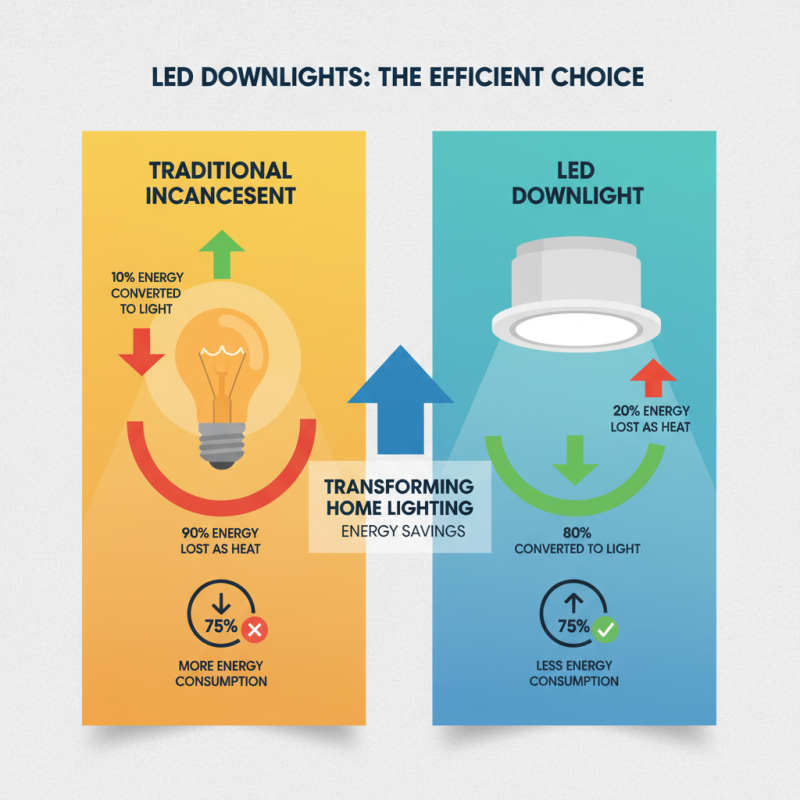
LED downlights have transformed home lighting, particularly in terms of energy efficiency. Traditional incandescent bulbs waste about 90% of their energy as heat. In contrast, LED downlights are designed to convert about 80% of their energy into light. Reports show that using LED lighting can reduce energy consumption by around 75% compared to traditional options.
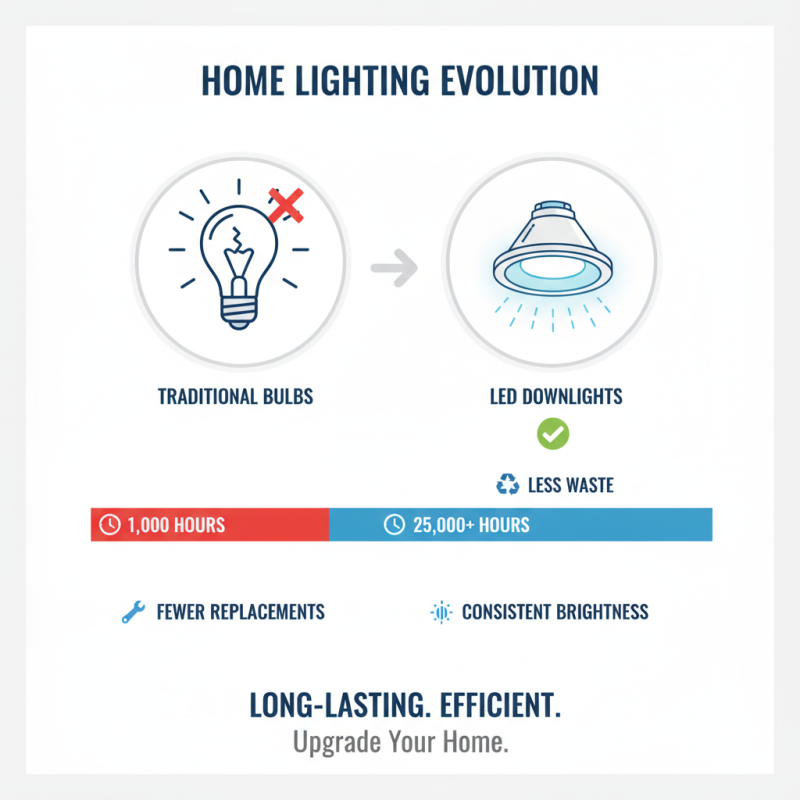
One of the most compelling benefits of LED downlights is their longevity. They can last up to 25,000 hours or more, significantly outpacing the lifespan of incandescent bulbs, which typically last only 1,000 hours. This long lifespan translates to reduced replacement costs and less waste in landfills. Additionally, homes using LED downlights can save up to $500 in energy costs over their lifetime, as stated in various industry studies.
However, some users report the initial investment can be a barrier. They worry about the upfront costs despite long-term savings. There’s also a learning curve when transitioning from older lighting methods. This change can feel overwhelming for some homeowners. It's essential to weigh these concerns against the undeniable savings and efficiency benefits that LED downlights provide in the long run.
Enhanced Lighting Quality: Brightness and Color Accuracy Explained
LED downlights have revolutionized home lighting. Their brightness and color accuracy can truly enhance your living spaces. Studies show that LED lighting can achieve up to 90% energy efficiency compared to traditional bulbs. This efficiency translates to better light quality with lower energy consumption.
Color accuracy is another critical aspect. LEDs typically have a Color Rendering Index (CRI) of over 80, while incandescent bulbs score around 100. This means LEDs can illuminate colors more faithfully. The right temperature can also influence mood and productivity. Warmer tones can create a cozy feel, and cooler tones can enhance focus.
However, the initial cost of LED installation can be higher than traditional options. This may deter some homeowners. It’s essential to consider long-term savings on energy bills. Moreover, not all LEDs are created equal; some may have inconsistent color temperatures, leading to a less appealing atmosphere. Balancing quality and cost is a vital step in leveraging the benefits of LED downlighting.
Long Lifespan of LED Downlights vs. Traditional Lighting Options
LED downlights are rapidly becoming the go-to option for home lighting. One key advantage is their impressive lifespan. Unlike traditional bulbs, which often last around 1,000 hours, LED downlights can shine for up to 25,000 hours or more. This means fewer replacements and less waste. Homeowners can enjoy consistent brightness over the years.
Another notable detail is energy efficiency. LED downlights consume significantly less energy. They provide the same amount of light while using about 75% less power compared to incandescent bulbs. This not only reduces electricity bills but also decreases the environmental footprint. It’s worth considering the long-term savings. Many people don’t realize how much accumulated cost old bulbs can lead to.
However, it’s not all perfect. Some may find LED lighting too harsh or cold. It can take time to adjust to the change in ambiance. Additionally, higher upfront costs for LED fixtures may raise questions. But the benefits generally outweigh these concerns over time. Understanding the long lifespan and energy savings is essential for making informed choices about home lighting.
Cost Savings Over Time: How LED Downlights Reduce Energy Bills
Choosing LED downlights for your home can significantly impact your energy bills. LED technology is incredibly efficient. They use up to 80% less energy than traditional bulbs. This reduction leads to substantial savings over time. Imagine replacing several light fixtures. You’ll notice a drop in monthly electricity costs.
LED downlights have a longer lifespan too. They last up to 25,000 hours or more. This means fewer replacements and less waste. Fewer trips to the store save both time and money. However, it's important to note that upfront costs may be higher. It can feel challenging to invest initially. But the long-term benefits often outweigh these concerns.
Moreover, LEDs produce less heat. This feature can keep your home cooler during summer. Less reliance on air conditioning can lead to further savings. There may be an adjustment period when switching to LED. The quality of light can feel different at first. It’s worth exploring different color temperatures to find the right one for your space. The journey to energy efficiency can be bumpy, but the benefits are clear.
Top 10 Benefits of Using LED Downlights for Your Home Lighting Needs
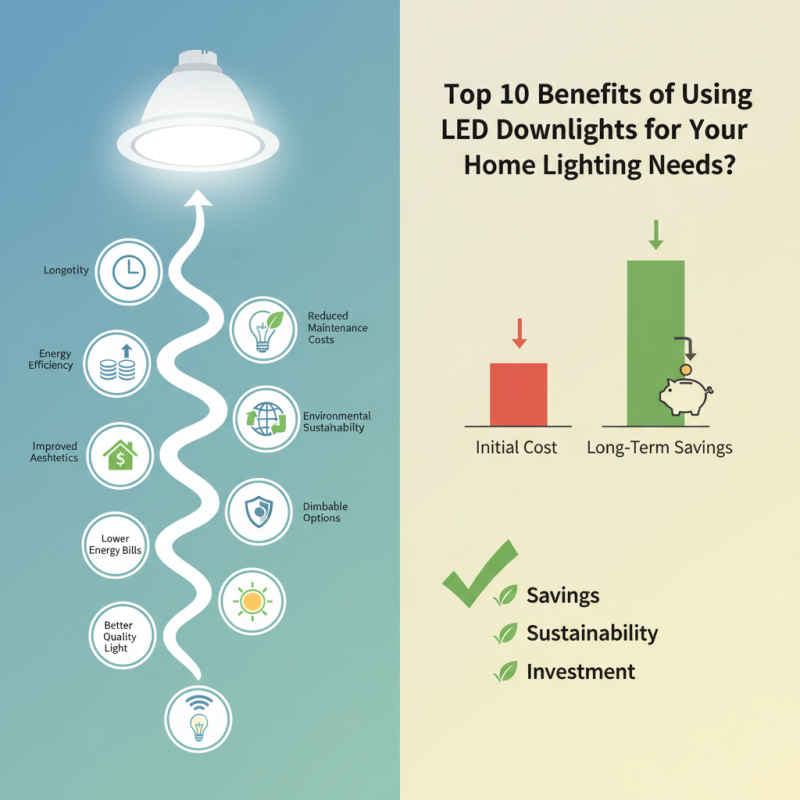
LED downlights offer significant cost savings over time compared to traditional lighting options like incandescent and CFL bulbs. As shown in the chart, using LED downlights can considerably reduce your yearly energy costs, making them a smart choice for home lighting.
Sustainable and Eco-Friendly Features of LED Downlights
LED downlights shine brightly in the realm of
sustainable home lighting. They are known for their
energy efficiency, significantly reducing electricity consumption.
According to a report by the U.S. Department of Energy, LEDs use up to
75% less energy than traditional incandescent bulbs. This means
lower monthly energy bills and a reduced carbon footprint.
Moreover, LED downlights have a much longer lifespan. Typical LEDs can last over
25,000 hours, compared to just 1,000 hours for incandescent lamps.
This longevity means less frequent replacements and less waste in landfills. It’s estimated that if
every household in the U.S. switched to LED lighting, the energy savings could amount to more than
$40 billion annually.
Yet, not everything is perfect. The initial cost of LED products may deter some consumers.
Some LED fixtures can be pricey, leading to hesitation. However, the long-term savings often
outweigh upfront expenses. It's essential to consider both immediate and ongoing costs for lighting
solutions. Despite challenges, the shift towards LED downlights
is a positive step for a sustainable future.