Top Benefits of Intelligent Lighting Control System for Modern Buildings?
In the realm of modern architecture, the "Intelligent Lighting Control System" stands out as a revolutionary advancement. As energy efficiency becomes a priority, experts like Dr. Emily Chen emphasize its importance, stating, "Smart lighting not only saves energy but also enhances occupant comfort." This technology adapts lighting based on occupancy and daylight, creating an environment that responds to the needs of the space.
Consider a bustling office where natural light fluctuates throughout the day. An Intelligent Lighting Control System adjusts automatically, ensuring optimal brightness. However, some may question the reliability of such systems. Are they truly effective in varied settings? This uncertainty often arises from the complexities inherent in installation and maintenance.
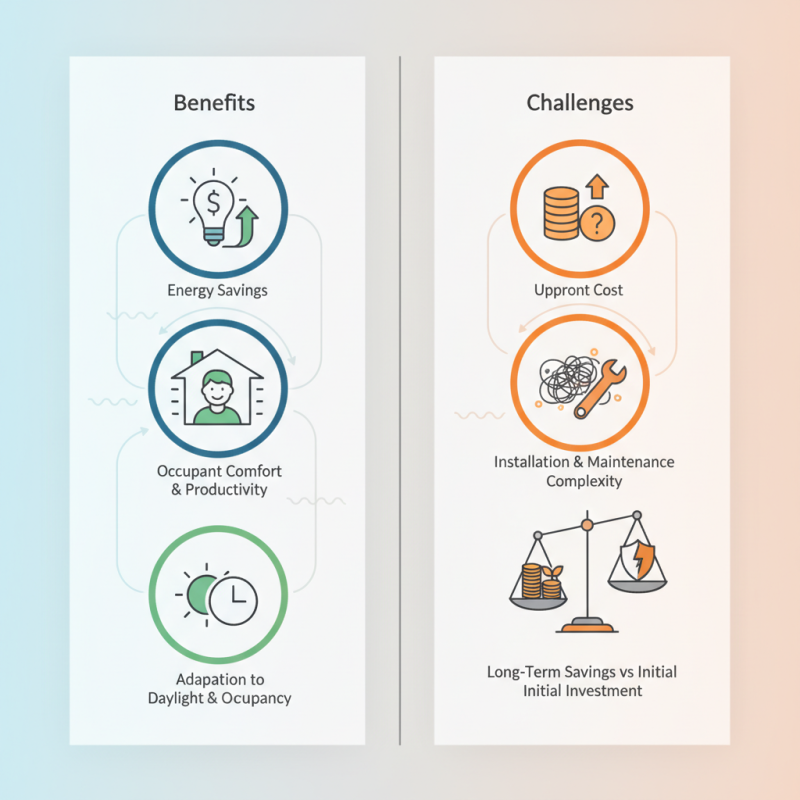
Moreover, while intelligent systems offer significant benefits, they also present challenges. Upfront costs can be daunting for many buildings, leading to hesitance in implementation. Yet, the long-term savings and improved productivity often outweigh initial investments. In navigating these complexities, building owners must weigh financial and practical considerations carefully.
Top Benefits of Intelligent Lighting Control System for Modern Buildings
Intelligent lighting control systems offer numerous advantages for modern buildings. They enhance energy efficiency significantly. Automated controls adjust lighting based on occupancy and natural light. This reduces energy waste, leading to lower utility bills.
Customizable settings allow users to create preferred lighting scenarios. For instance, a cozy atmosphere during meetings can be achieved with a simple touch.
Moreover, these systems improve comfort and well-being. They create the right ambiance for any occasion. Employees may feel more focused in well-lit areas.
However, not all solutions are perfect. Users can find them complex or unintuitive at times. The initial setup may take longer than expected. Training staff can also be a challenge. These factors might affect the system’s overall effectiveness.
Additionally, integrating intelligent lighting with other building systems, like HVAC, can enhance performance. However, it raises questions about compatibility and future upgrades.
Regular maintenance is crucial to ensure optimal functionality. Acknowledging potential issues allows for smoother implementations. With careful planning, intelligent lighting can transform modern buildings significantly.
Overview of Intelligent Lighting Control Systems in Commercial Spaces
Intelligent lighting control systems are revolutionizing modern commercial spaces. These systems optimize energy usage by adjusting light levels based on occupancy and daylight availability. With sensors detecting movement, lights can dim or turn off when rooms are empty, leading to significant energy savings. This is crucial as businesses seek to reduce their environmental impact while saving costs.
Moreover, intelligent lighting enhances employee well-being. Studies show that proper lighting can boost mood and productivity. Adjustable lighting allows workers to personalize their environment. This can lead to improved focus and creativity. However, the initial setup can be complex. It requires investing in technology and training staff, which some businesses may overlook.
Another aspect to consider is the integration with other systems. Intelligent lighting can interact with HVAC and security systems. While this can streamline operations, it also presents challenges. Ensuring seamless communication between systems is essential but can be problematic. Overall, intelligent lighting control systems hold great potential, yet their implementation must be carefully planned.
Energy Efficiency Gains: Reducing Consumption with Smart Lighting
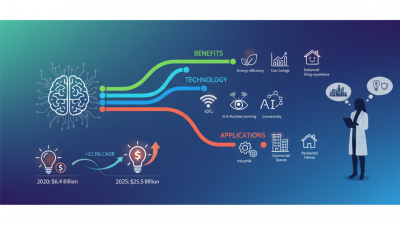
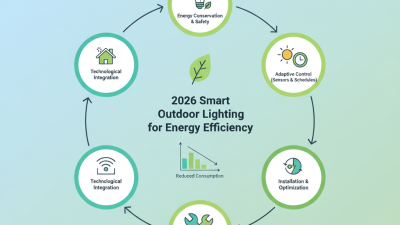
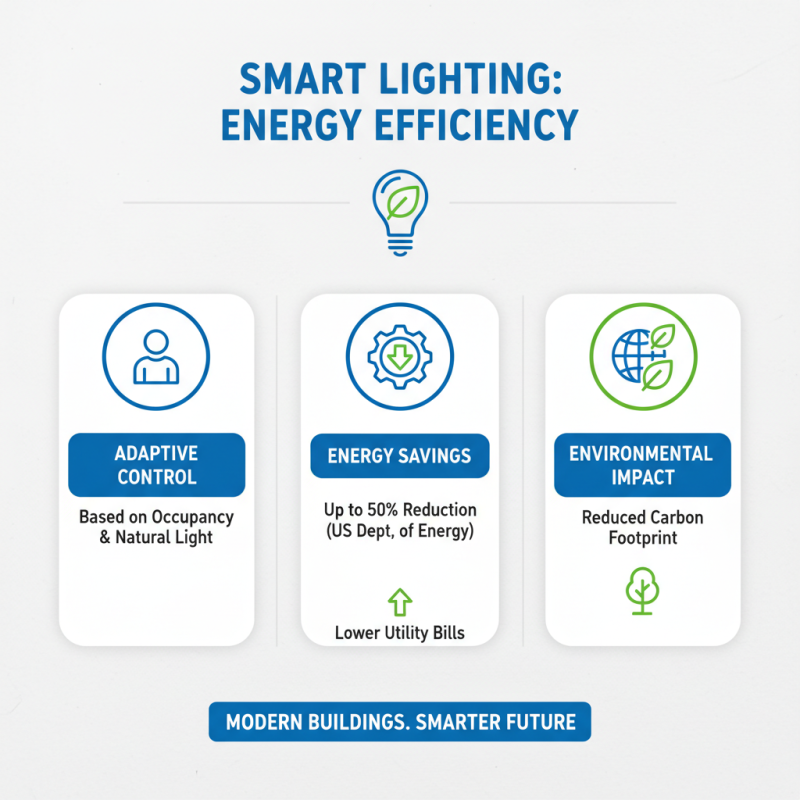
Intelligent lighting control systems significantly enhance energy efficiency in modern buildings. These systems adjust lighting based on occupancy and natural light levels, ultimately leading to substantial energy savings. According to a report by the U.S. Department of Energy, smart lighting can reduce energy consumption by up to 50%. This not only lowers utility bills but also minimizes a building's carbon footprint.
Implementing sensors and automated controls can achieve remarkable outcomes. For example, daylight harvesting enables buildings to harness natural light effectively. By integrating this technology, buildings save energy while creating a more pleasant environment. However, these systems often require upfront investment, and long-term benefits may not be immediately apparent.
**Tips:** Regularly monitor usage data to optimize settings. Engaging staff in energy-saving practices can further enhance effectiveness. Training employees on the system can lead to more efficient use and lower costs.
Enhanced User Comfort: Tailoring Lighting to Occupant Needs
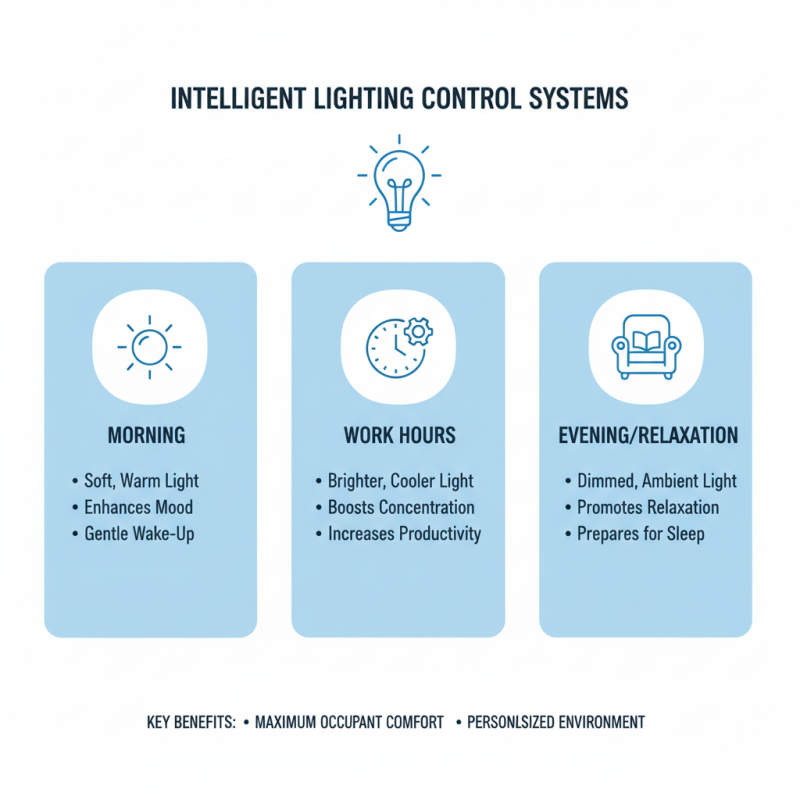
Modern buildings increasingly adopt intelligent lighting control systems. These systems offer tailored lighting solutions to maximize occupant comfort. By adjusting brightness and color temperature based on time of day and activity, they create a personalized environment. For instance, soft, warm lighting in the morning can enhance mood. During work hours, brighter, cooler light can boost concentration.
However, not all implementations are flawless. Some users may find automated adjustments distracting, or even intrusive. A balance must be struck between automation and manual control. It's essential to allow occupants options to customize their settings. Feedback from users can help improve these systems.
Smart lighting doesn't just enhance aesthetics. It influences productivity, health, and well-being. When lighting aligns with human circadian rhythms, it can improve sleep quality. Yet, this requires constant fine-tuning and user awareness. Building designers must remain adaptable and responsive to feedback, ensuring their solutions truly meet occupant needs.
Contribution to Sustainable Building Certifications and Compliance Standards
Intelligent lighting control systems significantly enhance building sustainability. They adjust lighting based on occupancy and daylight. This adaptability leads to reduced energy consumption. According to the U.S. Department of Energy, these systems can save up to 60% on lighting energy use. Enhanced efficiency aids in achieving certifications like LEED and BREEAM.
Compliance with standards is vital for modern buildings. Intelligent lighting systems align with Green Building standards. They help meet requirements for energy performance and environmental impact. Research from the World Green Building Council indicates that energy-efficient buildings have a 19% higher market value. While the technology shows promise, integration can be complex and costly.
The social aspect of these systems is essential. Improved lighting can affect well-being and productivity. A study from the Heschong Mahone Group found that natural light can boost productivity by 15%. However, the initial setup may require careful planning and investment. Balancing cost with long-term benefits remains a critical challenge for many stakeholders.
Top Benefits of Intelligent Lighting Control System for Modern Buildings
Conclusion
The implementation of an Intelligent Lighting Control System in modern commercial buildings offers numerous advantages. These systems enhance energy efficiency by significantly reducing consumption through smart lighting solutions that adapt to real-time occupancy and ambient light levels. Furthermore, they improve user comfort by allowing tailored lighting settings that meet the specific needs of occupants, creating a more pleasant and productive environment.
In addition to energy savings and enhanced comfort, Intelligent Lighting Control Systems play a crucial role in helping buildings achieve sustainable certifications and comply with various environmental standards. Their seamless integration with building management systems streamlines operations, leading to further operational savings and an overall increase in the efficiency of building management. Thus, the adoption of Intelligent Lighting Control Systems is not only a move towards modernity but also an essential step towards sustainability in the built environment.