2026 Top Light Pole Designs and Innovations to Illuminate Your Space?
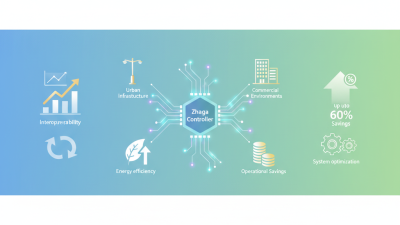
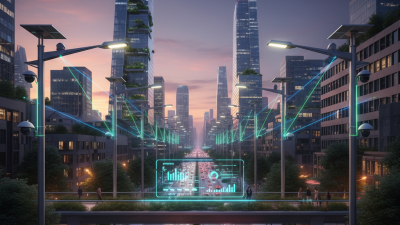
The evolution of Light Pole designs plays a crucial role in urban planning. Recent industry reports indicate that smart lighting solutions save up to 60% in energy costs. These poles not only illuminate spaces but enhance safety and create an inviting atmosphere. Cities are increasingly investing in innovative designs, with sleek aesthetics that blend with architecture.
In 2026, we anticipate remarkable advancements in materials and technologies. The integration of LED lights and smart sensors is becoming standard. Light Poles are no longer mere functional structures; they are becoming landmarks. Yet, some designs fail to address local needs. Traditional lighting systems may still dominate in certain areas, causing disparities.
As architects and city planners explore new possibilities, it is essential to reflect on the importance of community input. While innovation is vital, understanding the context is equally significant. This balance defines how effectively Light Poles can transform urban spaces.
Innovative Materials in 2026 Light Pole Designs
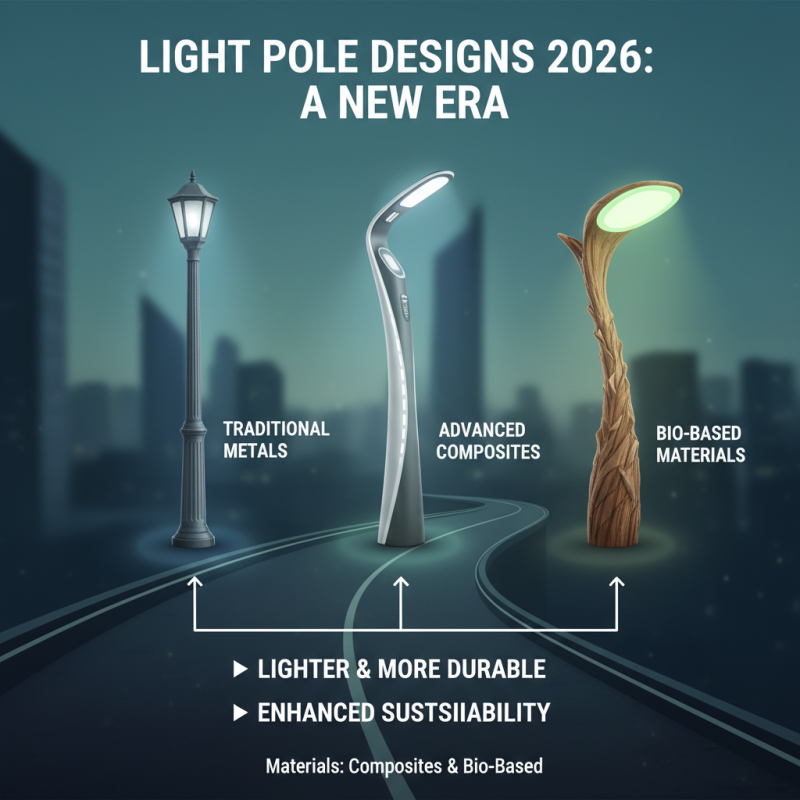
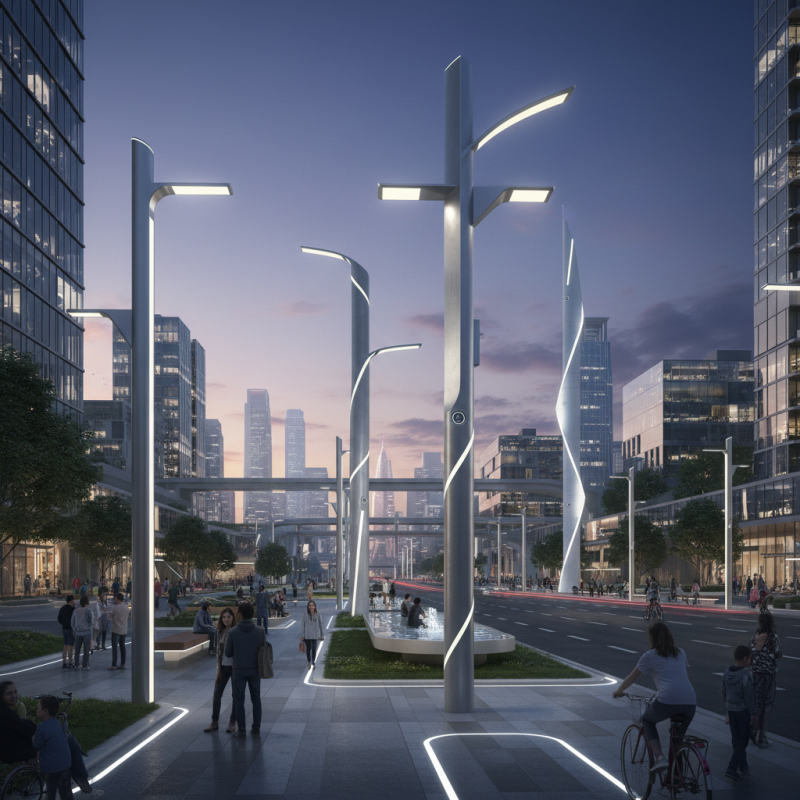
In 2026, light pole designs are evolving with innovative materials that redefine outdoor lighting. Traditional metals are no longer the only option. Advanced composites and bio-based materials are making their entry. These materials are lighter and more durable, enhancing the sustainability of light poles.
For instance, recycled plastics are showing promising results. They reduce waste while maintaining structural integrity. The combination of aesthetics and environmental consciousness is becoming vital. Additionally, some poles incorporate solar panels. This integration creates self-sustaining lighting systems. However, the durability of solar components often requires thoughtful consideration.
Designers are experimenting with various shapes and textures. Organic designs mimic nature, blending seamlessly with environments. Still, not every design gets it right; some might clash with their surroundings. It raises questions about the balance between creativity and functionality. Thus, innovation in light pole materials invites ongoing reflection and improvement in urban landscaping.
Sustainable Lighting Technologies for Outdoor Spaces
Sustainable lighting technologies are becoming vital for outdoor spaces. A recent report from the International Energy Agency found that nearly 20% of global energy consumption comes from lighting. This shows the importance of adopting eco-friendly solutions. Innovations like solar-powered lights and LED technologies reduce energy usage drastically. For instance, LEDs can use up to 75% less energy than traditional bulbs.
Tips for choosing sustainable lighting include considering the light source. Solar lights are an excellent choice for areas without electricity. They charge during the day and illuminate at night. Check the lumen output to ensure adequate brightness. Aiming for at least 100 lumens per watt can provide efficient lighting.
Smart lighting is also gaining traction. These systems can automatically adjust based on sunlight and occupancy. Reports indicate that smart lighting can cut energy costs by up to 30%. Transitioning to these technologies can feel overwhelming. However, small changes can lead to significant savings and environmental benefits over time. Each step counts towards sustainability.
2026 Top Light Pole Designs and Innovations
Trends in Aesthetic Designs for Modern Light Poles
Modern light poles are not just functional; they are also artistic expressions. In 2026, a shift towards aesthetic designs is evident. New materials and unique shapes are emerging. The goal is to blend illumination with beauty. Think of light poles that resemble natural elements or abstract sculptures. This transformation can enhance public spaces dramatically.
When designing with aesthetics in mind, consider your surroundings. A modern light pole should complement its environment. Avoid overly flashy designs that clash with the scenery. Pay attention to scale; a towering pole might overwhelm a small park. Aim for a balance that invites admiration without distraction.
Tips: Use local materials when possible. This creates a sense of identity for the space. Also, consider versatility. A design that allows for changes and upgrades will remain relevant. Sustainability should always be part of the conversation. As trends evolve, so should our approaches to lighting design. Remember, the best designs provoke thought and conversation.
Smart Lighting Solutions: Integrating Technology in Design
Innovative lighting designs are transforming our public spaces.
Smart lighting solutions are at the forefront of this change.
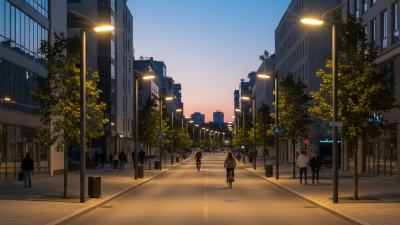
Integrated technology enhances both aesthetics and functionality. Imagine streets illuminated with adaptive lights that change intensity based on pedestrian presence.
This shift not only conserves energy but also improves safety.
Designers are experimenting with various materials and shapes.
LED strips, modular designs, and solar-powered fixtures are becoming popular.
These elements create a unique atmosphere that can energize any location.
However, the integration of technology is not without challenges.
Sometimes, the reliance on sensors can lead to unexpected malfunctions.
Lights may flicker unpredictably or fail to respond in certain conditions.
User interaction adds another layer to smart lighting. Mobile applications allow for remote control and customization.
Users can adjust colors to suit their mood or the event. Yet, not all users are tech-savvy.
Some may feel overwhelmed by complex systems.
Balancing simplicity and innovation is crucial as we move forward.
Smart lighting has potential, but it requires careful consideration.
Case Studies of Successful Light Pole Implementations in 2026
In 2026, urban lighting strategies have evolved, showcasing remarkable implementations across various cities. A recent industry report highlights that 70% of urban light poles now feature integrated solar technology. This shift not only promotes sustainability but also reduces energy costs significantly. Cities that embraced this design experienced a decrease in energy expenses by up to 40%. However, these systems have not been universally successful; some locations reported issues with solar efficiency due to shading from nearby structures.
Case studies from major metropolitan areas reveal diverse applications of innovative light pole designs. For instance, cities like Aurora and Richmond have deployed smart light poles equipped with IoT sensors. These sensors monitor traffic patterns and adjust lighting accordingly, potentially improving safety. Unfortunately, not all installations achieved full functionality, with reports of connectivity issues. Lessons learned from these cases emphasize the need for comprehensive planning and community input during implementation phases.
Moreover, lighting design in public spaces aims to enhance not just visibility but also ambiance. Color temperature adjustments have become a trend, creating warm environments in downtown districts. Still, some residents expressed concerns over the effectiveness of these changes at night. Reports indicate that while aesthetic improvements are notable, the practical implications require careful consideration. Continuous feedback from users remains essential for future enhancements.