2026 Best Zhaga Controller Trends for Global Buyers?
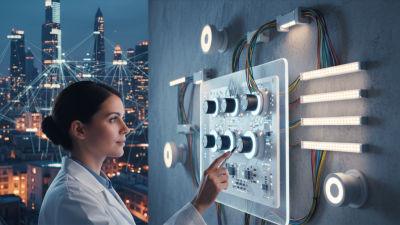
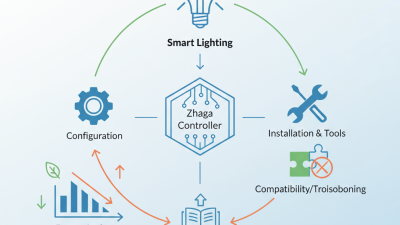
The lighting industry is experiencing a significant transformation with the emergence of Zhaga Controllers. These controllers play a vital role in achieving energy efficiency and interoperability among different lighting products. As global buyers seek reliable solutions, understanding the latest trends is crucial.
Zhaga Controllers simplify the integration of LED drivers and sensors. They enable versatile designs that adapt to various applications. As energy costs rise, the demand for intelligent lighting solutions increases. Consumers desire better control and flexibility in their lighting systems. This trend reflects a growing emphasis on sustainability and smart technology.
However, the rapid evolution of Zhaga Controllers can pose challenges for buyers. Staying updated on technological advancements requires dedicated research and expertise. It is essential to assess product compatibility and ensure quality standards are met. Navigating this complex landscape may feel overwhelming, but informed choices can lead to significant benefits in efficiency and performance.
Latest Innovations in Zhaga Controller Technology for 2026
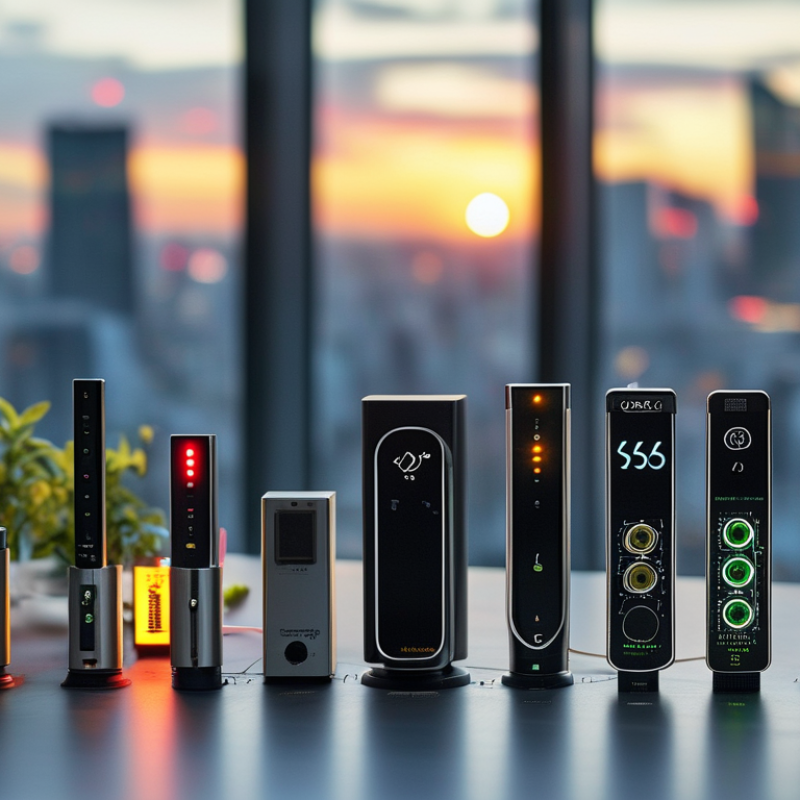
The Zhaga controller technology is evolving rapidly, promising innovative solutions for smart lighting systems in 2026. One notable trend is the increased integration of IoT capabilities. This allows controllers to connect seamlessly with various devices. Users can achieve better energy management through real-time data analysis. Smart sensors now enable controllers to adjust lighting based on occupancy and ambient light levels.
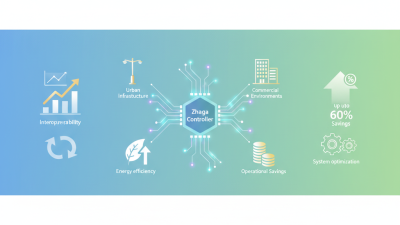
Furthermore, interoperability among different manufacturers is a growing focus. This ensures that systems can work together smoothly. Stakeholders seek solutions that eliminate compatibility issues, enhancing user experience. However, some technologies still face challenges in achieving full standardization. Adopting new protocols often requires time and resources.
Another exciting development is the rise of modular designs. These designs allow easy upgrades to improve performance. However, buyers should consider the complexity of installation and integration. The latest trends in Zhaga controllers highlight a future of increased adaptability and efficiency. Yet, embracing these innovations requires careful planning and investment.
Key Features to Look for in Zhaga Controllers for Global Markets
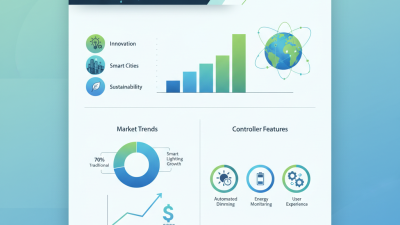
When considering Zhaga controllers for global markets, several key features should be prioritized. Compatibility is crucial, especially as the demand for standardized interoperable products increases. According to a recent industry report, over 70% of lighting manufacturers seek compatibility across various systems. This trend highlights the importance of Zhaga's approach to standardization.
Efficiency is another vital factor. A report from the International Energy Agency (IEA) states that smart lighting solutions can reduce energy consumption by up to 50%. Many controllers now come equipped with advanced sensors and adaptive controls. These enhancements allow systems to respond dynamically to environmental conditions. However, potential buyers must also be cautious about overestimating the performance claims of some products.
User-friendly interfaces are essential as well. A technical study found that intuitive controls significantly improve user satisfaction. Users often report frustration with complex programming. Simplicity, alongside robust functionalities, can lead to better adoption rates. Products that balance advanced features with ease of use are desirable. But, buyers should be vigilant about real-world usability versus marketing hype.
2026 Best Zhaga Controller Trends for Global Buyers
Market Trends Influencing Zhaga Controller Adoption Worldwide
As the adoption of Zhaga controllers continues to rise, it's essential to recognize the market trends driving this shift. One notable trend is the growing demand for interoperable lighting solutions. Many projects now require components that seamlessly integrate with existing lighting systems. This compatibility enhances flexibility for buyers, allowing them to make informed choices.
Another significant trend is the emphasis on energy efficiency. Governments and organizations worldwide prioritize reducing energy consumption. Zhaga controllers, designed with energy-saving features, align with these initiatives. Buyers are more likely to invest in technologies that minimize their carbon footprint. This shift showcases a commitment to sustainability while meeting regulatory demands.
However, some challenges remain. Awareness of Zhaga standards varies across regions. This inconsistency can lead to hesitation among potential buyers. Education and outreach are needed to bridge this gap. Providing resources to help stakeholders understand the benefits of Zhaga controllers is crucial for widespread adoption. Keeping users informed fosters trust in these innovative solutions.
Comparative Analysis of Leading Zhaga Controller Brands in 2026
In 2026, the Zhaga controller market shows rapid evolution driven by energy efficiency and smart lighting technologies. Recent reports indicate a projected growth of 20% in the global Zhaga controller market. This demand is primarily from urban environments adopting smart city initiatives.
Leading Zhaga controller brands are differentiating through advanced functionalities. Features like remote monitoring and energy analytics are essential. Consumer preferences are shifting toward reliability and ease of integration, which contributes to brand competitiveness. Notably, a survey revealed that 65% of industry professionals prioritize adaptability in their buying decisions.
However, challenges remain. Many brands still struggle with user interface consistency, affecting the overall customer experience. While technology advances, the gap in compatibility issues cannot be ignored. This highlights a need for continuous innovation and user feedback. Establishing reliable communication channels with end-users could enhance product development in future iterations.
2026 Best Zhaga Controller Trends for Global Buyers
| Controller Type |
Compatibility |
Smart Features |
Price Range (USD) |
Market Share (%) |
| Type A |
Brand X, Y, Z |
Remote Monitoring, Energy Saving |
100 - 150 |
25 |
| Type B |
Brand A, C |
Dimming Control, Schedule Setting |
120 - 180 |
30 |
| Type C |
Brand D, E |
Mobile App Control, Real-Time Data |
150 - 200 |
20 |
| Type D |
Brand F, G |
Integration with IoT Devices, Analytics |
130 - 190 |
25 |
| Type E |
Brand H, I |
Customizable Settings, Voice Control |
140 - 210 |
25 |
Future Projections for Zhaga Controller Development and Usage
The future of Zhaga controller development looks promising, as projections indicate significant growth in the coming years. Research shows that the global smart lighting market, which heavily relies on Zhaga standards, is expected to reach $50 billion by 2026. This signals a strong interest in intelligent control systems that improve energy efficiency and connectivity.
Innovations in Zhaga controllers are likely to focus on interoperability and enhanced user experience. Industry reports suggest that nearly 70% of buyers prioritize seamless integration with existing systems. As a result, there is a clear trend toward creating controllers that not only meet standard specifications but also provide added functionalities. Yet, challenges remain. Manufacturers must navigate diverse market needs and technological advancements that can complicate development.
The demand for sustainability adds complexity to the Zhaga controller landscape. Environmentally friendly solutions are a priority for many businesses. However, achieving sustainability while maintaining performance and cost-effectiveness is a delicate balance. Continuous market research will be essential to understand buyer preferences and guide future innovations. It's crucial to recognize that the journey to optimal Zhaga controller solutions requires adaptation to evolving market conditions.